Ongoing book project

The author
The city of Alexandria presents a complex and intriguing landscape, steeped in a rich historical backdrop. However, it also grapples with the challenges of modernity, as the weight of its history can sometimes hinder progress. Compounded by the phenomenon known as the “second city syndrome,” where centralization exerts a pervasive influence on the daily lives of its residents, understanding the dynamics of contemporary Alexandrian society becomes a formidable task. It becomes imperative, therefore, to probe further into the factors that have contributed to the city’s present state: How has it evolved, what are its constituent elements, and how do they intertwine? By unraveling these complexities, we can address the pressing needs of various groups and individuals and address the stark social disparities and inequalities that exist at all levels of society. It is essential to approach this endeavor with meticulous research and a concerted effort to comprehend the underlying fabric of the city, both tangible and intangible. In undertaking contemporary field studies, we aim to bridge the gaps in knowledge and foster a comprehensive understanding that accurately reflects the diverse voices shaping Alexandria’s social landscape. Leveraging the power of art as a communicative medium, we can disseminate this acquired knowledge to a wider audience, fostering a connection between research and societal groups.
Two years ago, I embarked on a literary endeavor centered around the notion of “Third Places,” commonly referred to as “Society’s living room.” Coined by the esteemed sociologist Ray Oldenburg, this term encompasses the spaces where individuals congregate and engage in the exchange of ideas, fostering the development of interpersonal relationships. Given the warm climate of Alexandria, combined with its rich Mediterranean culture, the populace predominantly spends their time outdoors, favoring public thoroughfares as the primary sites of social interaction.
In my cultural research approach, I employ a combination of social inquiry and artistic practice to comprehensively comprehend the socio-cultural dynamics of contemporary Alexandria. This involves a meticulous study of inclusive spaces that foster social gathering and interaction among diverse societal groups, essentially representing the collective “living room” of the community. Through careful observation, in-depth analysis, and thoughtful interpretation, I strive to reconstruct alternative or parallel narratives that illuminate how the society is molded by both tangible and intangible legacies, its present functioning, and the endeavors of individuals from various backgrounds, age groups, and genders to adapt their physical surroundings to enhance urban livability. Embracing this methodology, I propose a counter-narrative that facilitates a more accurate understanding of modern Alexandria’s social historiography, which has long been overshadowed by its classical past and often lacks relevant or comprehensive examination of the city as a contemporary urban center accommodating a population exceeding 5 million inhabitants.
In this book, my focus is primarily directed towards particular entrances of buildings located in public spaces, specifically third places, such as streets within the context of Alexandria. These spaces hold significance as they serve as meeting points for diverse societal groups, fostering interaction and exchange of shared values and cultural identities. The aim of this work is to reassess historical perspectives and their impact on the present, examining narratives that resonate within the modern city and give voice to its inhabitants. Through artistic and cultural research, the goal is to comprehend society by delving into its social history, contemporary narratives, and the profound influence of architecture and urbanism as tangible manifestations of individual needs. Field investigation and critical analysis are employed to explore how human actions shape and transform the physical environment, and reciprocally, how physical structures influence human behavior. This book endeavors to engage with individuals on a personal level, avoiding generalizations or group representations, and instead, seeking to understand how disparate motivations, interests, beliefs, and backgrounds influence human behavior, all while acknowledging the contextualized socio-historical interplay with economic and political forces.
Third-places Gallery

Third Places
Story 10:New Crystal
May 2023
Read here

Third Places
Story 09:Madad-Madad
March 2023
Read here

Third Places
Story 08:Amir Studio
February 2023
Read here

Third Places
Story 07:Khan Khalil
January 2023
Read here

Third Places
Story 06:La Maison
December 2022
Read here
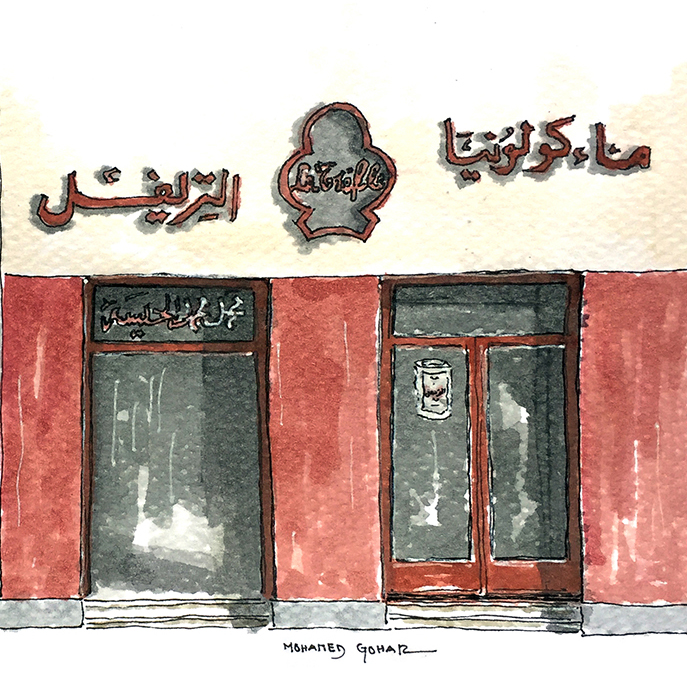
Third Places
Story 05:Le trèfle
November 2022
Read here

Third Places
Story 04:EZZabet Ellord
October 2022
Read here
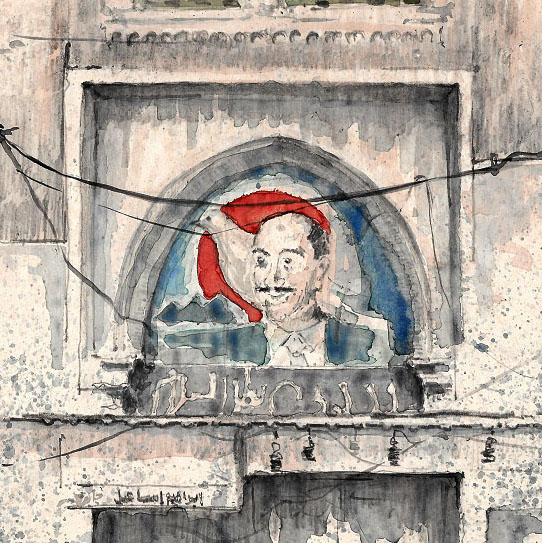
Third Places
Story 03:Hero of peace
October 2022
Read here

Third Places
Story 02:Unknown Citizen
August 2022
Read here
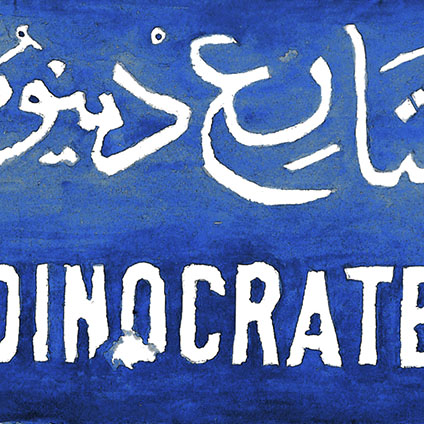
Third Places
Story 01:Dinocrate
August 2022
Read here
 Mohamed Gohar