Published in April 2023 Marseille
Alexandrie – Marseille, regards croisés
ISBN 978-2-916153-21-6
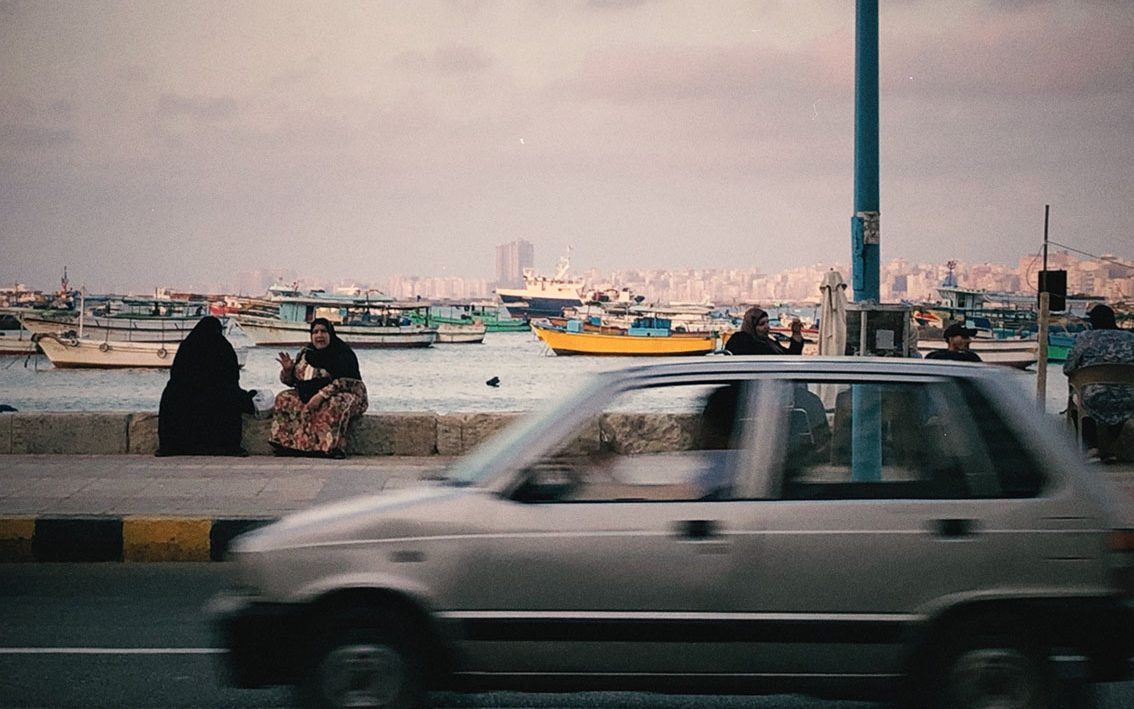
“Alexandria was the capital of Egypt, founded by Alexandre the Great in 331 B.C.E. A city that once was a cosmopolitan and a melting pot of several races, languages, and creeds…”. These are typical words one would come across wherever searching the name “Alexandria”. In my opinion, the historiography of present-day Alexandria is deeply dominated by its classical history. There are barely any connections to the city as a living organism where more than 5 million people live and coexist. The city of today is facing long-impacting political, economical, and social changes and not to forget the approaching environmental issues. Most of the time those changes are in line with an absence of strategic vision and appropriate urban planning built upon public participation process that provides and serves the real needs of society. Resulting in a deformed or unidentified urban fabric, impacting people’s quality of life, and creating social gaps and inequality among all levels of the Alexandrian society.
Yet, the city still owns a wealth of tangible and intangible heritage that was formed throughout layers of history and by a variety of contributors, resulting in an accumulation of former cosmopolitan centers, that were nationalized between the 1950s and 1960s. Since then, Alexandria locked itself in a big balloon of nostalgia. The city’s introduction to modernity has gradually stopped. In parallel with the booming birth rates and domestic immigration, masses of people kept consuming their city. In other words, “the Alexandrian society is in a continuous process of consuming what has left of the built heritage”. On the one hand, the exponential and unplanned urban growth caused massive deterioration of the city’s historical neighborhoods, in addition to a significant loss of intangible cultural values. But, on the other hand, this rapid and continuous change has catalyzed people’s creativity. The city’s inhabitants sought to balance their lives within the degenerated city. Despite the absence of theoretical and field analysis and understanding of modern society, people themselves have well understood what they really need and rehabilitated the city in a way that made it works for them. They had transformed the spaces (the creation of the past) into livable places, turning out the deteriorated environment into a pioneering, rich, and dynamic ecosystem. Yet, not a sustainable one.
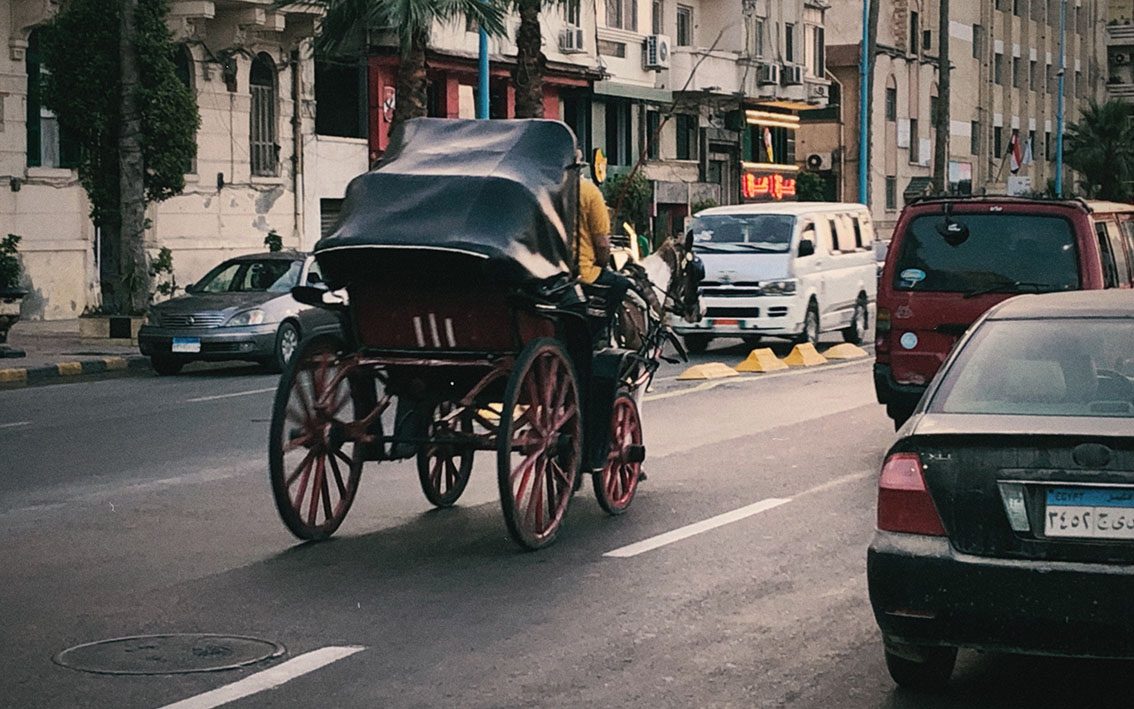
I believe that we as architects, planners, and professionals need to stop searching for solutions inside our own studios, rather we need to start looking for inspiration on-ground and within the people themselves. We need to build less and listen/observe more. Architecture is for people and all values and meaning are determined by people, in relation to place and time. In that respect, using social science methodologies can enhance our architectural and urban understanding whether the past ones (defined as built heritage) or the future ones. Our understanding of how modern Alexandrian society works is a key to a sustainable future.
 Mohamed Gohar