“Ya Bashmohandes Gohar Did you sleep well last night?” He asked
“Hmm, yeah I believe I did.” I answered. He replied, “Well, well, well…probably, it was your last night of good sleep in Djibouti.” He answered me back with a smile. He said this while getting into his Nissan Pathfinder!!!

The author
Before starting the design process of any new commissioned project, architects must visit and inspect the site. They need to understand the project’s nature, surroundings, and environment. The more they analyze, observe and acquire information, the better they will be able to make decisions. Consequently, they can produce a superior design. Which would serve both client’s needs, users of the project, and above all; the environment, the city and the inhabitants. A few weeks before the COVID-19 pandemic was recognized as a global health crisis, I had a mission to fly to Djibouti. I had to meet our client and prepare an onsite study of the project. I was the architect leading the design team.
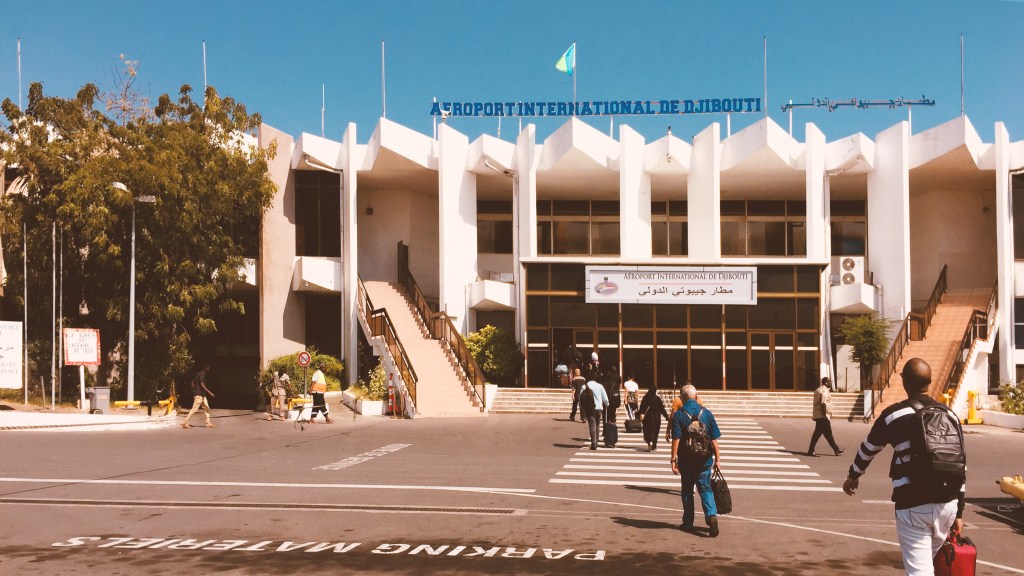
I traveled to the capital Djibouti on board the Ethiopian Airlines. I had to make two hours of transit through Addis Ababa Bole International Airport. Which is considered the hub of Africa. I flew over the harsh contrast of the green and yellow landscape of Ethiopia. Then, I landed in the 70s style airport of Djibouti. This journey reminded me of the 2006 movie “The Last King of Scotland” based on Giles Foden’s 1998 novel. The movie depicts Uganda in the 1970s and the country’s cruelest leader Idi Amin. These were just my feelings from the visuals around me. I was about to discover one of the most peaceful places I have ever visited. During almost a week of site visits, I attended meetings and had talks. I was able to draw a global image about our project. I was also lucky enough to be able to satisfy my passion for observing, understanding and reading cities. Through research and walks, I interacted with locals and foreigners. This gave me a chance to discover the capital Djibouti. I also glimpsed its culture.
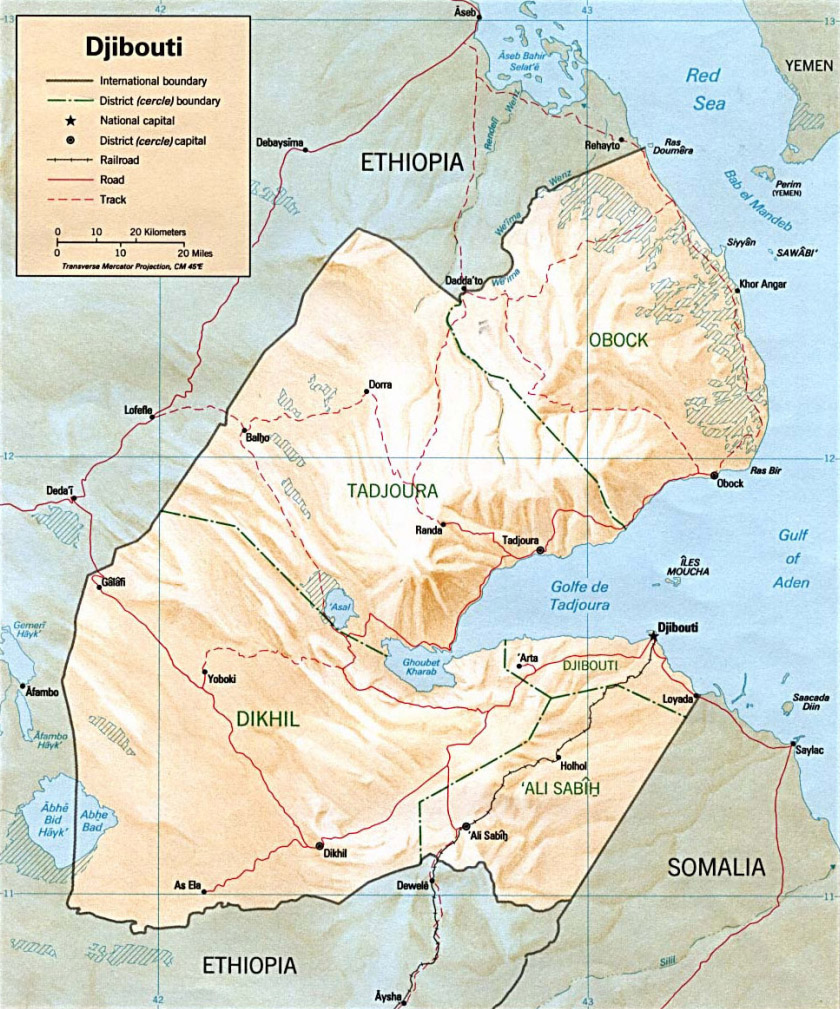
According to The World Bank in 2011, Djibouti is one of the smallest countries in Africa. More than 23% of its population lives in extreme poverty. It covers an area of 23,200 square kilometers and is home to a population of about 865,000. Djibouti also has less than 1,000 square kilometers of arable land. The country’s geographic location at the Gulf of Aden and Bab El-Mandeb strait positions it as a gateway. This makes it the entry point to the Suez canal. It forms a bridge between Africa and the Middle East. Djibouti’s geopolitical importance made it one of the busiest shipping routes. It became a preferable location for diplomatic missions and many foreign military bases. These include bases by France (as a former French colony), the United States, Great Britain, Japan, and China. The North Atlantic Treaty Organization (NATO) as well as Italy, Saudi Arabia, and India also have bases.
Djibouti is believed to have been part of the area known to Egyptians as Punt. By the year 825, Somali and Afar ethnic groups became the first Africans in the region to embrace Islam. This was due to trade with the Arabs, especially from Yemen. France gained a foothold in the region between 1862 and 1894. They acquired the trading ports of Obock and Tadjoura. These were subsequently known as French Somaliland. In 1977 the country gained independence from France, renamed Republic of Djibouti. The republic is of the presidential pluralist type. It is now headed by president Ismaïl Omar Guelleh. He has been in power since 1999. Djibouti is a member of the African Union, the Arab League, and the Francophonie. It also belongs to the Intergovernmental Authority on Development (IGAD) and the Organization of Islamic Cooperation (OIC).
The author
The author
http://www.mapsland.com
The Republic of Djibouti is divided into five regional decentralized communities. These include the regions of Ali Sabieh, Dikhil, Tadjourah, Obock, and Arta. They are endowed with legal personality, public law, and financial autonomy. The city of Djibouti was created as a port in 1888. Léonce Lagarde, the first governor of French Somaliland, established it. The city became the capital in 1892. The city has a special status. A commune council administers it. This council is made up of a deliberative assembly, a president, and a vice-president. It comprises three communes: the communes of Ras – dika, Boulaos, and Balbala.
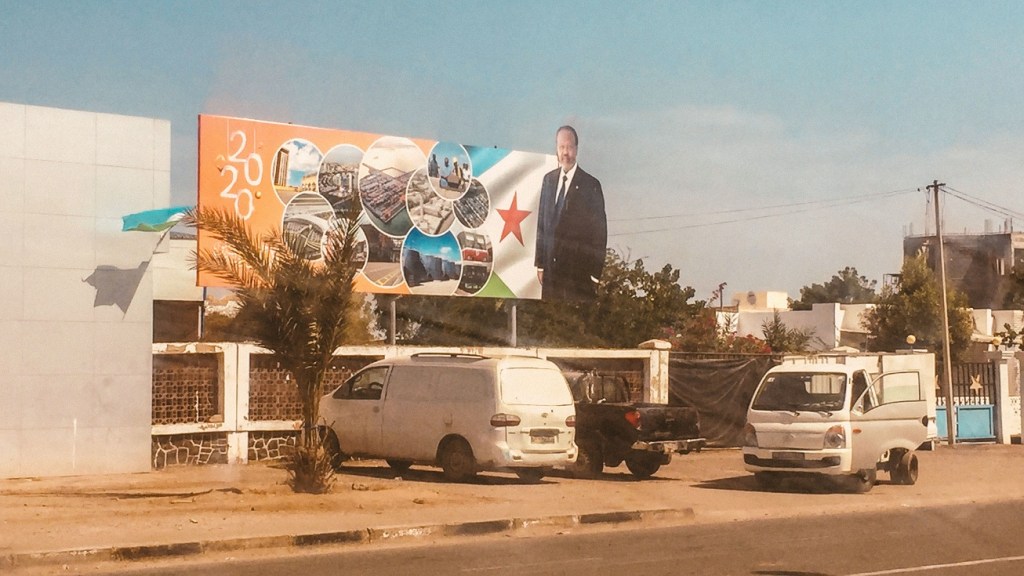
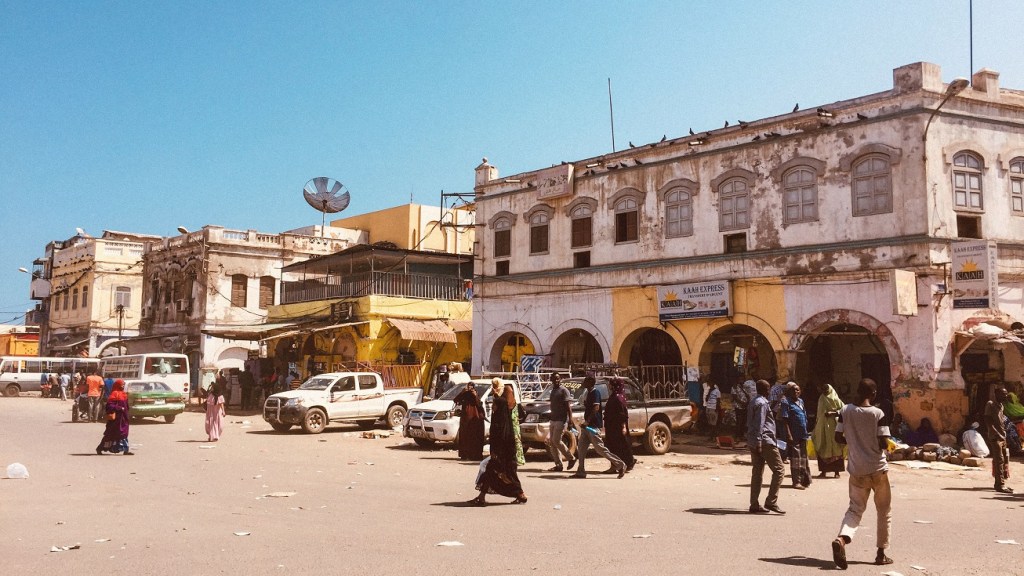
I arrived at the airport in the afternoon. It was organized, clean but very small and it gave me the impression that I moved back to the 70s. The building itself stood out to me. Its exterior and interior design, along with the finishing materials, made a strong impression. Djibouti is rich in resources like granite, limestone, and marble. After I completed the visa process, Madih (مديح) accompanied me. He is a Djiboutian driver and facilitator of Yemeni origin. He spoke perfect Arabic, French, and Somali. On the way from the airport to the downtown, I noticed something interesting. I saw a big poster of President Ismaïl Omar Guelleh. I knew I would be staying in that area. I learned later that he is a strong man. He is loved among his people. He played a big role during the civil unrest. During the trip, Madih kept recalling quotes from several Egyptian movies because he knows I am Egyptian. He especially mentioned those of Adel Imam, the renowned Egyptian actor.


The author
You do not need highly trained eyes to see the impact of this small cosmopolis. Its location and strategies are affecting its social, cultural, political, and economic life. The country’s location at a crossroads of trade and commerce is obviously reflected on its diverse culture. The local community consists of four main ethnic groups. These are the Afars, Issa Somali, Muslim Hamites Orientals, and the Arab community of Yemeni origin. They communicate in four languages. French and Arabic are the official languages. In addition, they speak Somali and Afar.
Djibouti has various ethnic groups each has its own different folklore, traditions and styles of custom, cuisine and music. I used to hear music everywhere. It played in the hotel’s lobby, from the shops I passed by, or in taxis and cars. Even many people were singing the streets which is also something common in Egypt and the Arab communities. Most of the time, the songs were in African languages. A few times I heard some French songs. However, I never heard Arabic music. By asking people I learn that the Common musical instruments used there are the drum, tanbura and oud.
The author
The author
The author
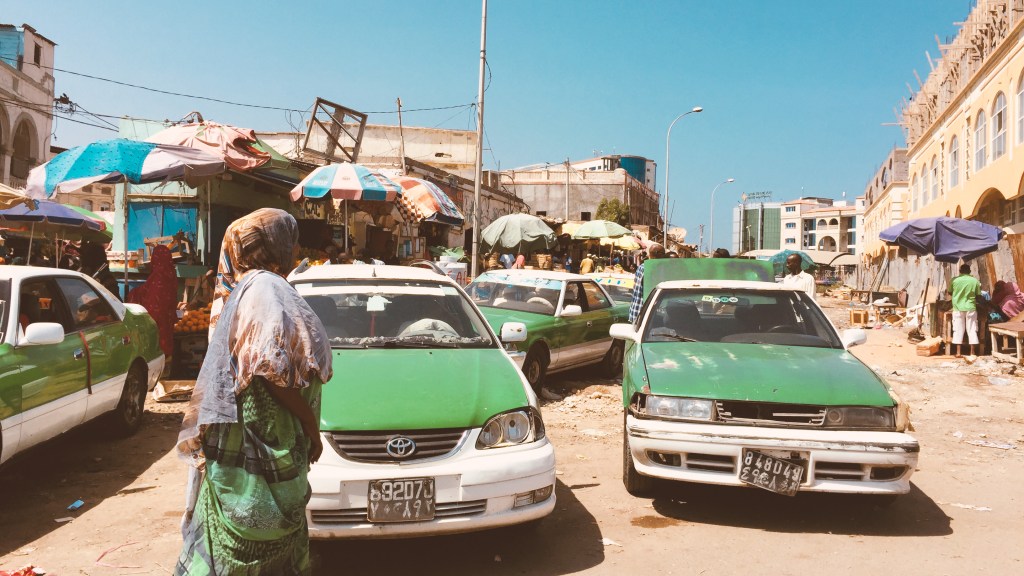
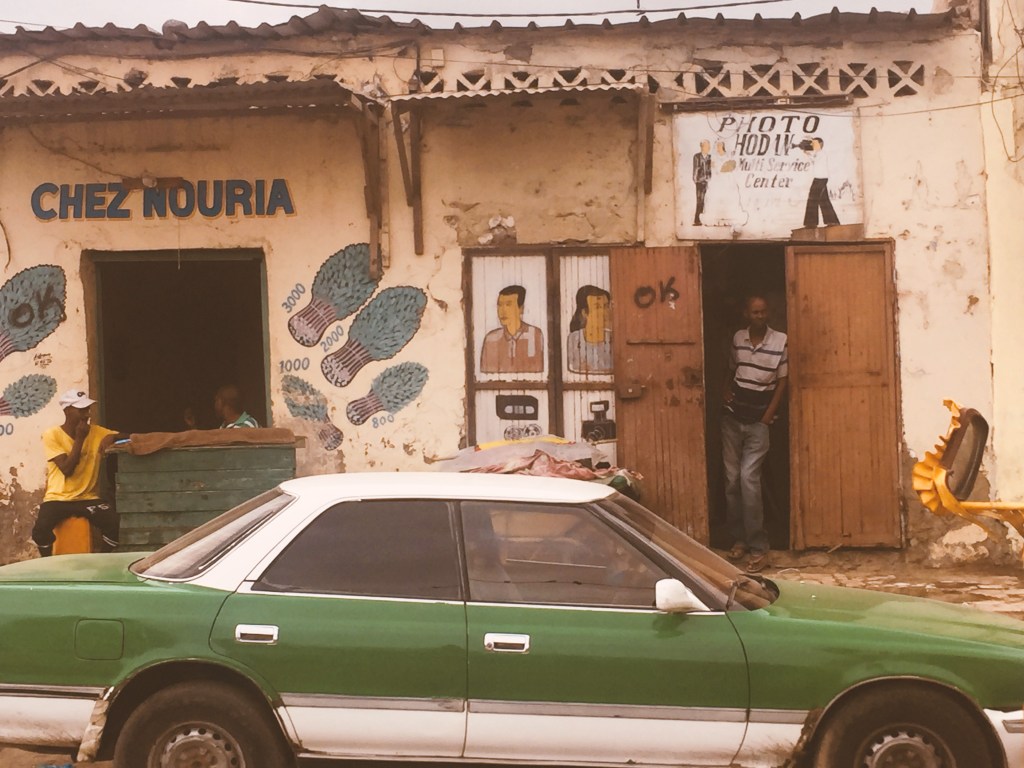
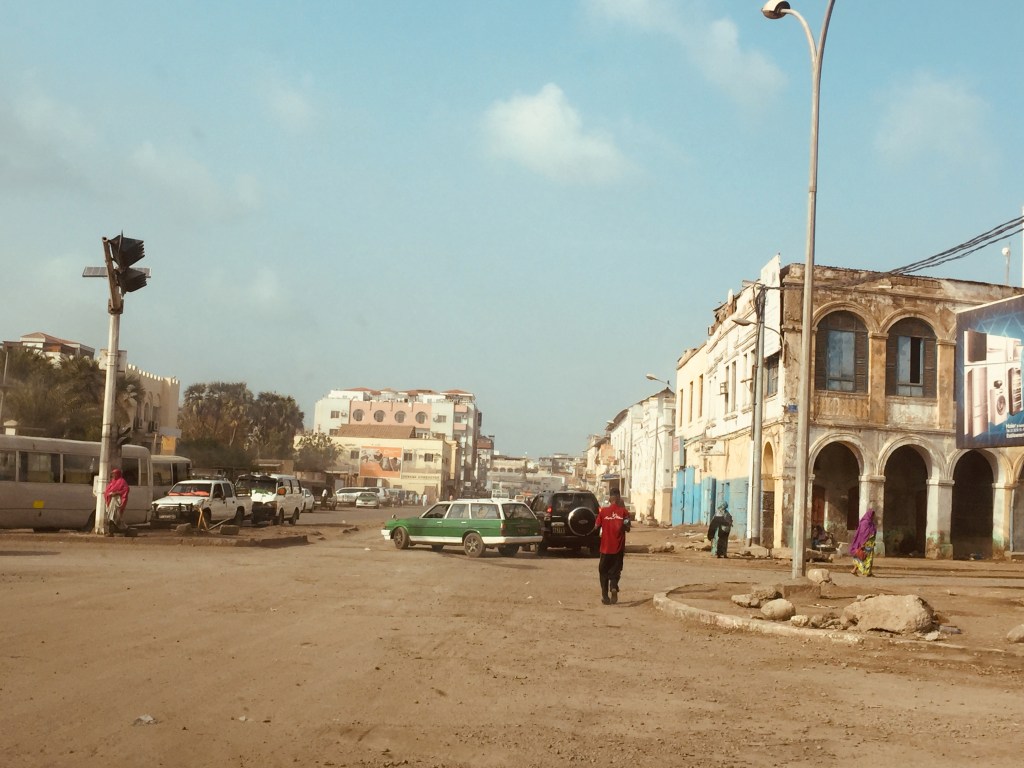
In Djibouti taxis are state owned. They have a very unique green and white color. Most of the taxis are 1990s Japanese sedan Crown or its replacement the Toyota Corona Mark II. No one I met knew why all taxis are only Toyota Crown. I guess the state purchased those cars. The Crown is a comfortable and big car. It has been popular for governmental usage.
Djibouti is considered a very expensive country in terms of the cost of life. Factors include currency fluctuations and cost inflation for goods and services. There is also instability in accommodation prices and rental accommodation costs. According to the World Bank’s 2017 cost statistics, the country ranks between 58th and 60th. Mercer’s 26th annual Cost of Living Survey also places the country in this range. This is under the international comparison of expensive countries in the world for 2017, 2018, 2019, and 2020.
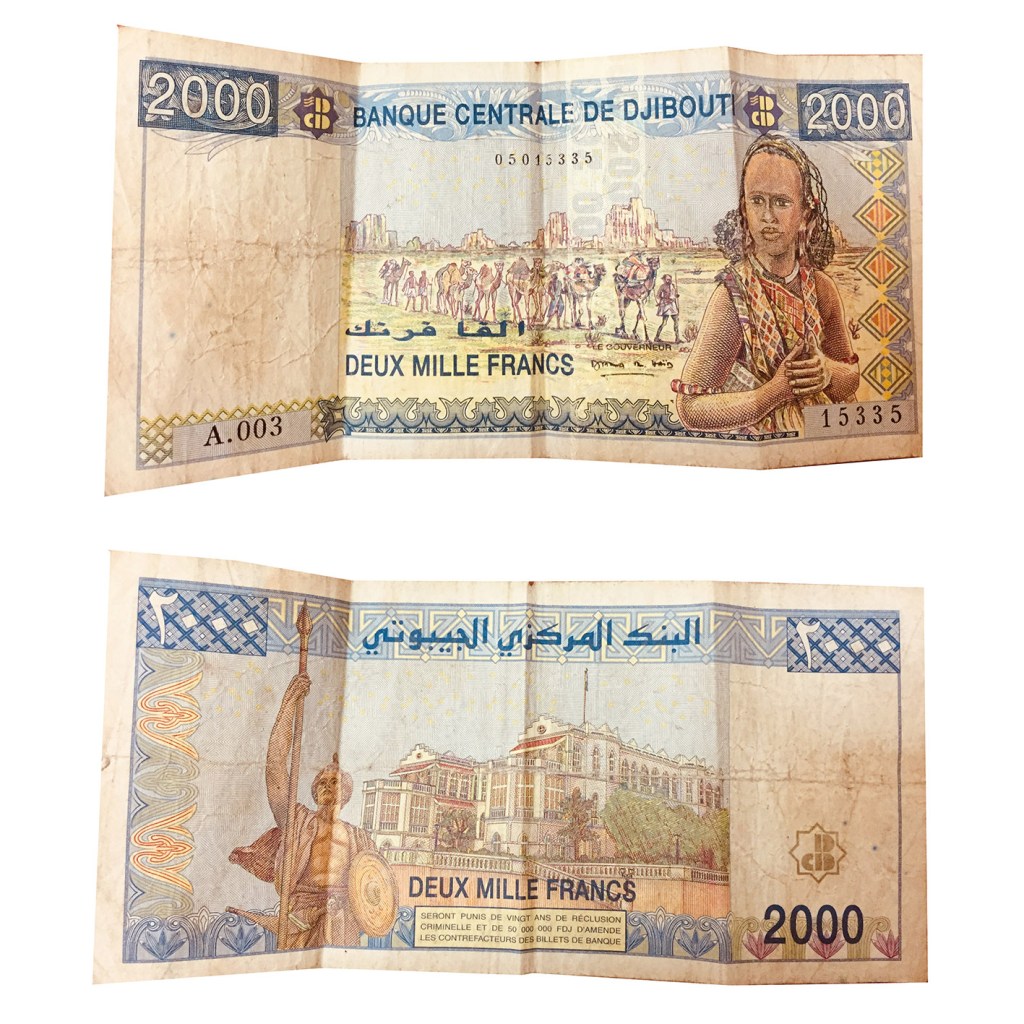
When I was there the cost of one liter of gasoline was 300 Djibouti Francs, the equivalent of 1.7 American Dollars. Whilst the gasoline liter costs 0.54 U.S. Dollars in Egypt, 0.75 U.S. Dollars in the United States and 1.76 U.S. Dollars in France. A short taxi ride would cost more than three times what I can pay in Egypt. In France, the price is almost the same. France occupies the 14th rank of the most expensive countries.
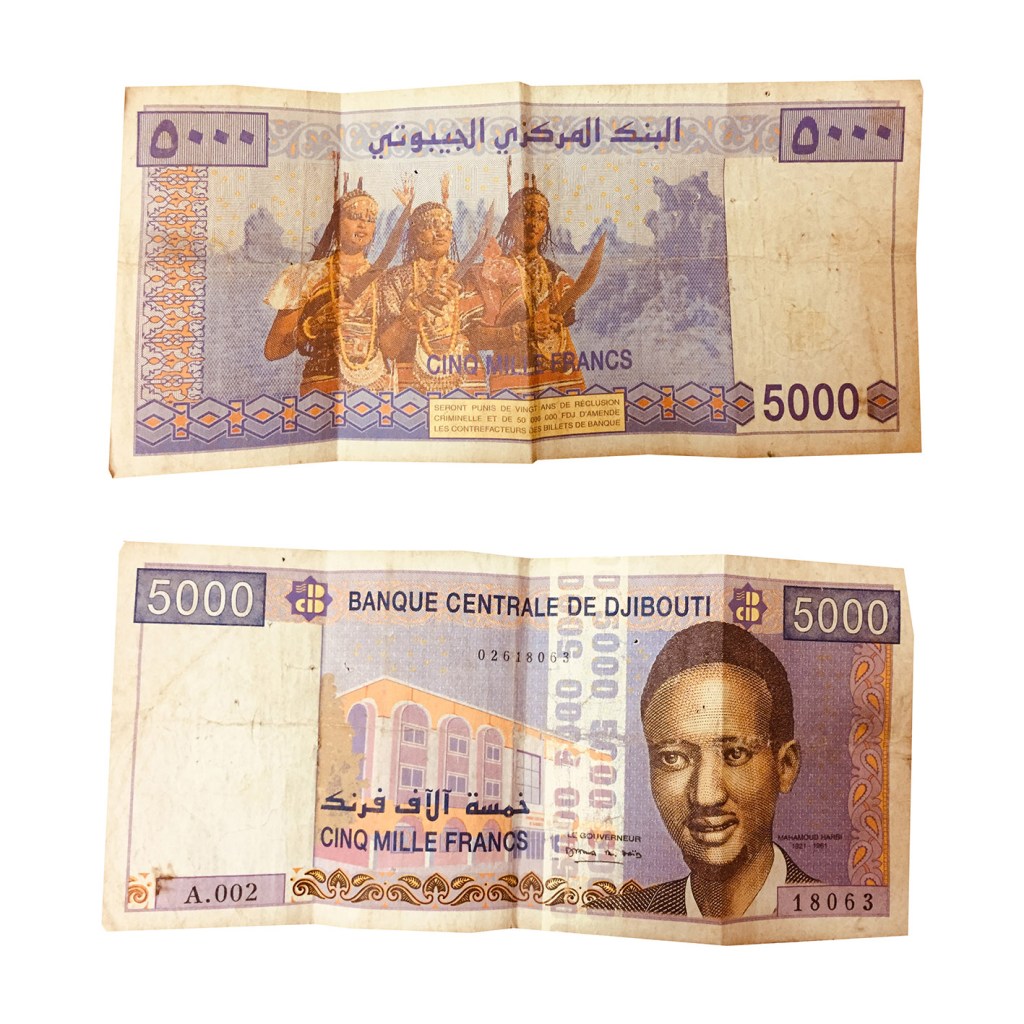
One day I went with Madih (the owners’ representative) to the only professional print house in Djibouti, the capital. We needed to print a set of Autocad conceptual design drawings of A1 size (594 x 841mm). I was curious to know how much it would cost. I asked him about the Pièce. It is a French word meaning coin. Djiboutian people use it when they talk about money. To my surprise, I discovered that the cost of just one A1 sheet is 4200 Djibouti Francs. This is the equivalent of 23.5 U.S. Dollars. In Egypt, it would cost 20 Egyptian pounds (1.2 U.S. Dollars).
In the Capital there were no exchange offices. The only way to exchange your currency is through ladies who control this business. They were all seated in the streets of the old downtown. Each of them holding a colorful African decorated sack full of thousands of currencies, U.S. Dollar, Djibouti Franc, Saudi Riyal, Emirates Dirham, etc, but I could not find the Egyptian Pound. The exchange rate is internally fixed among them which guarantees their commission. I have been told that it is totally safe for them as they stay all day out till 11 pm.

The author
The author

The author

The author
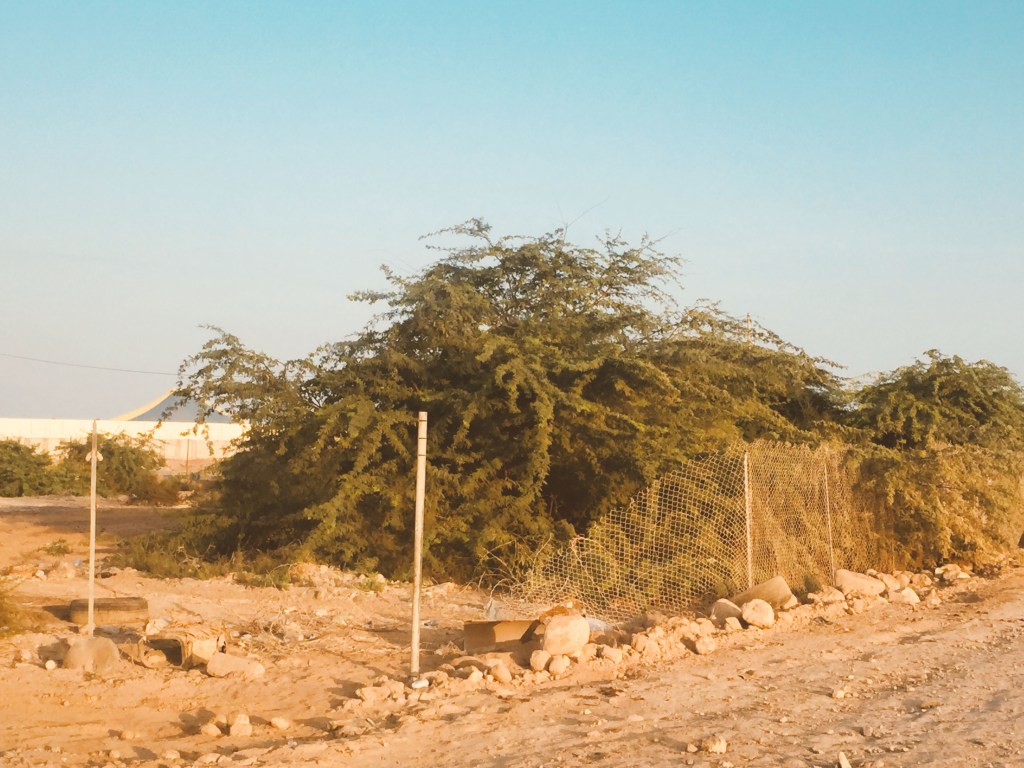
The red soil in the region of Djibouti is considered very fertile. However, the hot arid and harsh environment creates challenges. The dry, humid climate with very low rainfall limits its ability to diversify the production. This increases its reliance on foreign markets, principally her neighbour Ethiopia. Leaving the country very limited natural resources, industry, and agricultural potential.
According to Kelsey Lilley in her report of 2018 Why Djibouti is the loser of the Horn of Africa’s new peace “Ethiopia and Djibouti have traditionally maintained a close political relationship. They have also sustained an economic partnership. This partnership stems from mutual necessity.” When the Ethiopia-Eritrea border war broke out in 1998, Ethiopia lost access to Eritrea’s port. This was an existential crisis for a landlocked country. Since then, Ethiopia has overwhelmingly relied on Djibouti ports. These ports process Ethiopia’s imports and exports. Some 95 percent of Ethiopian imports transit through Djibouti. Djibouti, too, relies on its larger neighbor, from which it imports freshwater and electricity.”
Djibouti is dependent on Ethiopia for supplying water and electricity. Ethiopia also supplies almost every commodity used in the Djiboutian market. Even the daily dosage of qat/Khat (قاط). Cars import qat leaves overland from Ethiopia. The 1894–1917 Ethio-Djibouti old railway (metre-gauge) was superseded in 2017 by the Addis Ababa–Djibouti Railway (standard gauge). This change was supported by a loan from China’s ExIm Bank. Djibouti legally imports tonnes of fresh Ethiopian qat’s green leaves daily. Chewing qat is a deep-rooted tradition among the people of Djibouti. It is also significant in the cultures of the Horn of Africa and Yemen. They call it in Arabic (تخزين). This means storing. They store leaves of the qat plant in the side of their mouths. They keep sucking the juice. It became more like a social gathering where men meet, talk and share their daily life updates. Usually the qat gatherings could last for 5 or six hours per day. Locals in Djibouti believe the president Ismaïl Omar was able to restrain the “Issas and Afars” dispute during Qat gatherings. The price of a good bundle of qat starts from 2 or 5 U.S. Dollars and could reach to 100 Dollars according to the quality and freshness of the plant.
Qat is not considered by the World Health Organization (WHO) to be a “seriously addictive drug”. According to (WHO), the chewing of Qat leaves releases chemicals structurally related to amphetamines. These chemicals give the chewer a mild high. Some say this is comparable to drinking strong coffee. The chewing of qat increases heart rate and blood pressure. It can also affect sleep, leading to rebound effects such as late awakening, decreased productivity and day-time sleepiness.
Usually the qat chewing gatherings have some rituals. The men buy some good quality and fresh green leaves. They gather in one room furnished as Arabic Majlis sofa (traditional oriental floor seating) with a table in the middle. To make sure they are totally relaxed they wear colorful African and light sarongs in Arabic (المعوز).

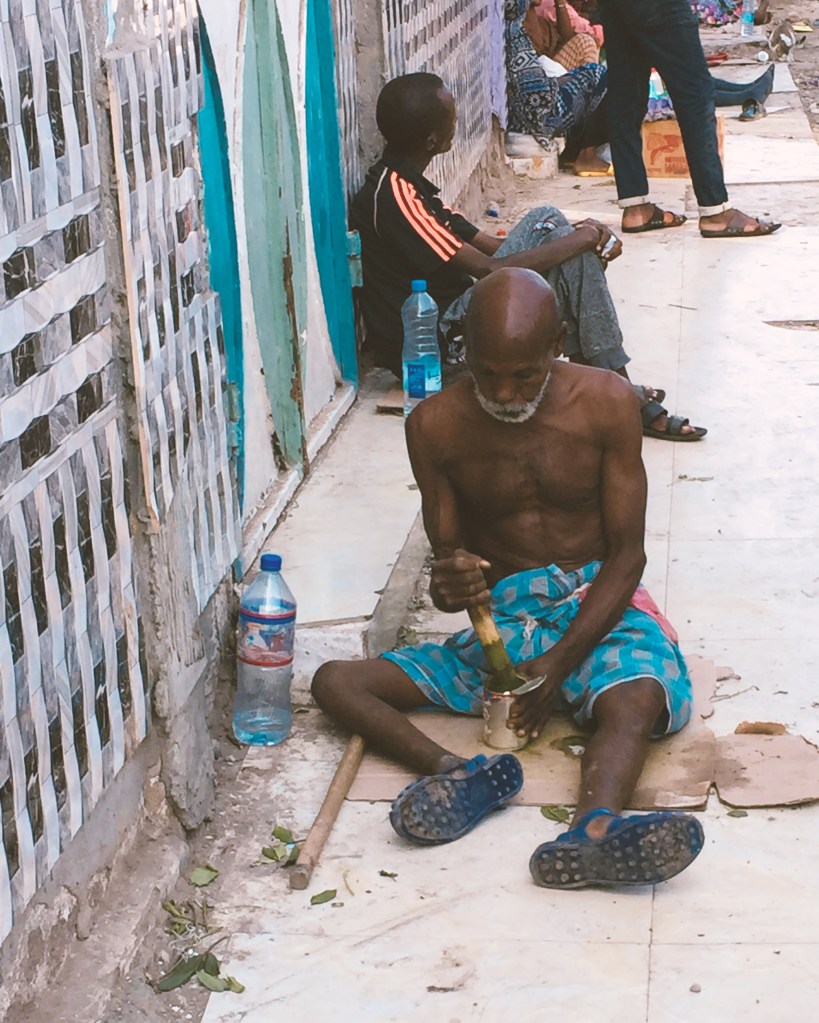
Right: in the old downtown a man seated on the sidewalk squeezing leaves in order to make easier to chew for his bad teeth
The author
The author
The author
The author
The author

The author

The author
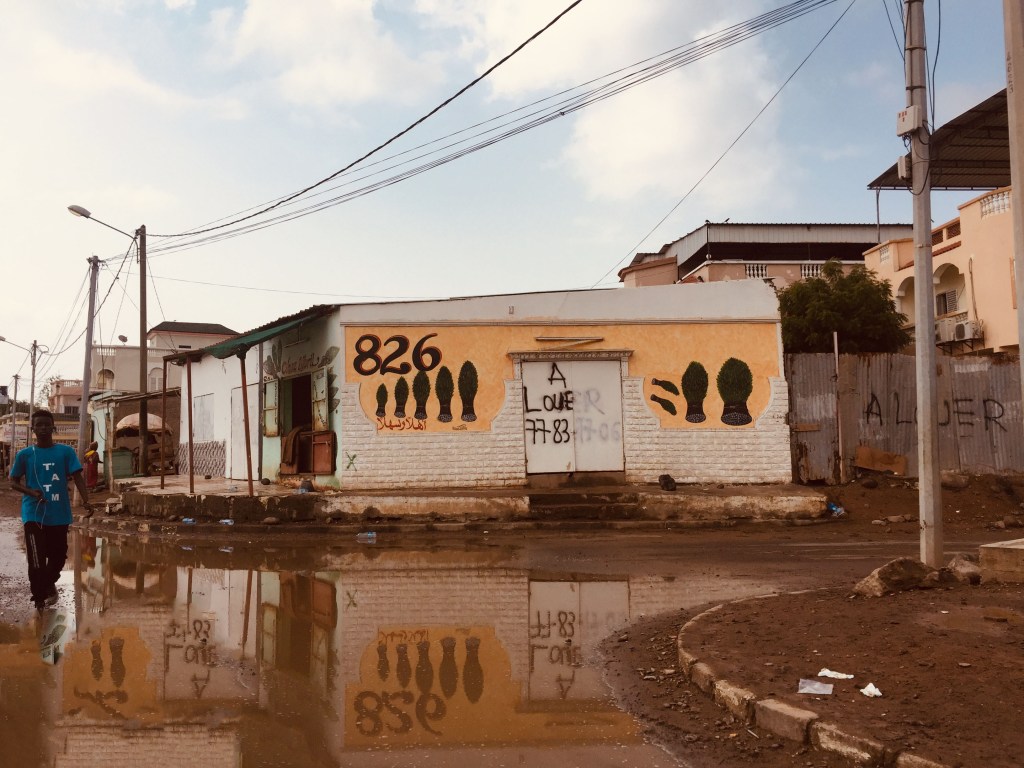
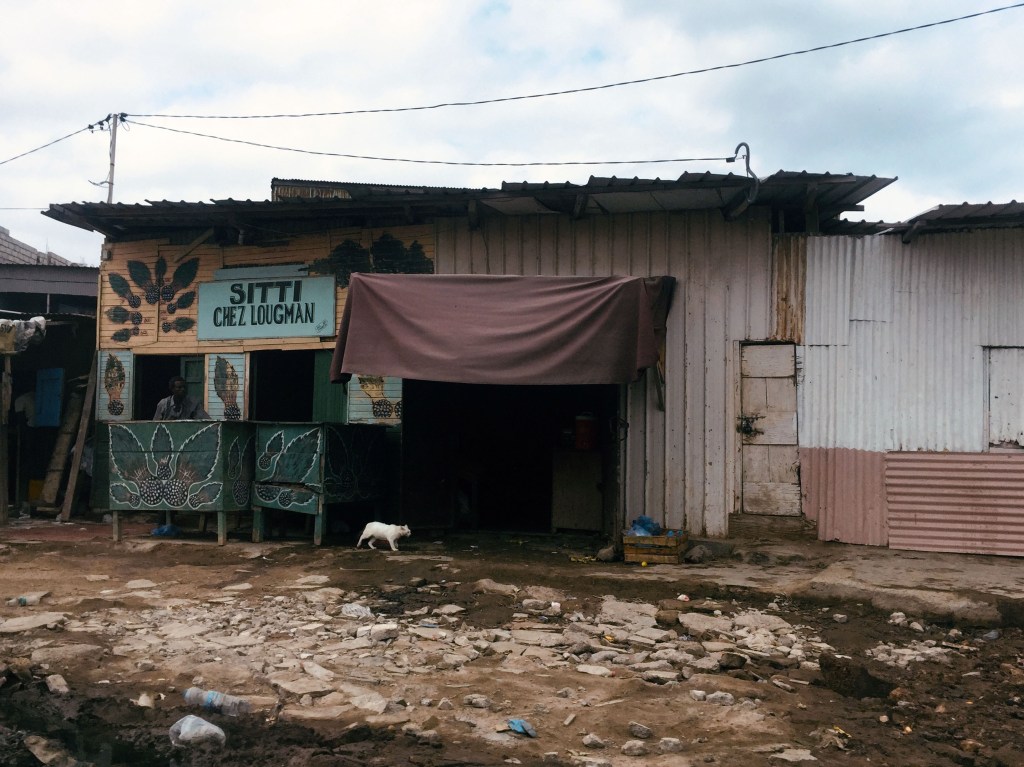
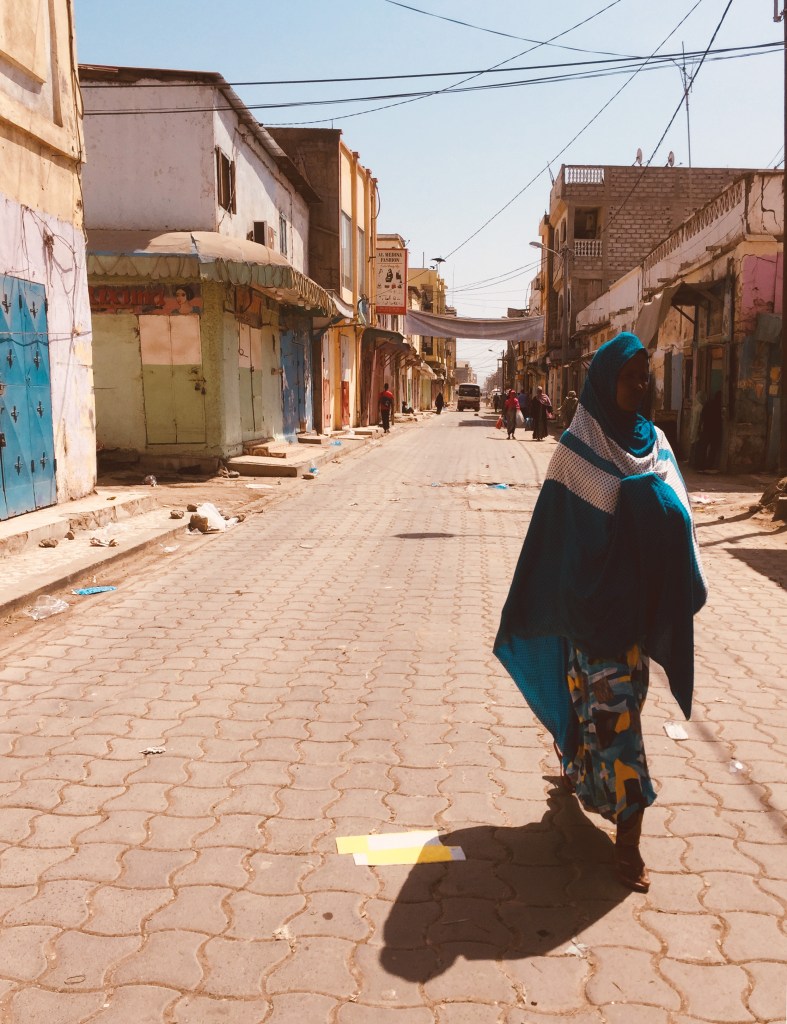
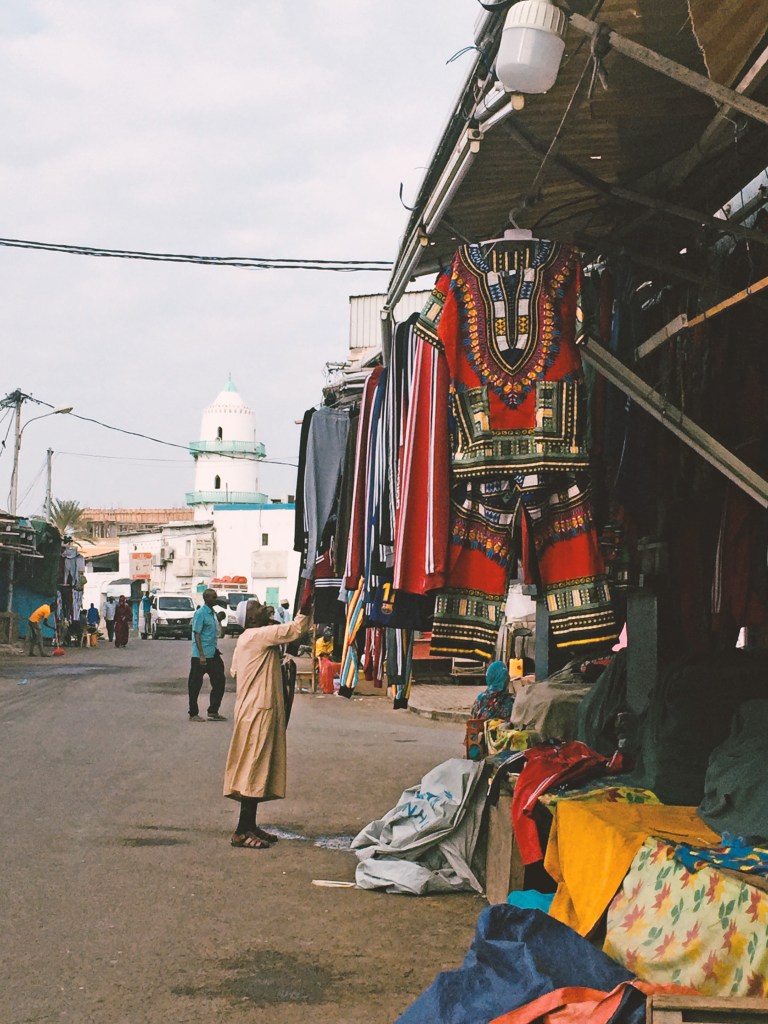
Djibouti has limited natural resources. The nation has lacked national production since the early formation of communities. These factors have made it dependent on others. But on the other hand this limitation, and in addition to the geographical location have enriched the country’s cultural diversity. Djibouti’s unique location made it the gate to both the Red and Mediterranean seas. Its proximity to Yemen has connected the continents of Asia and Africa. People of Djibouti started to absorb and meld cultures from the Arabian peninsula. They also integrated cultures of the inhabitants of north and middle Africa. Additionally, they embraced part of the European culture. This cultural diversity is directly reflected in the spoken languages, habits, and traditions. It is also visible in costumes, cuisine, music, art, colors, religions, and architecture.
The author

The author
The author
The author
The author
The author

The author

The author
The author
The author
Art, architecture and urban life in the city
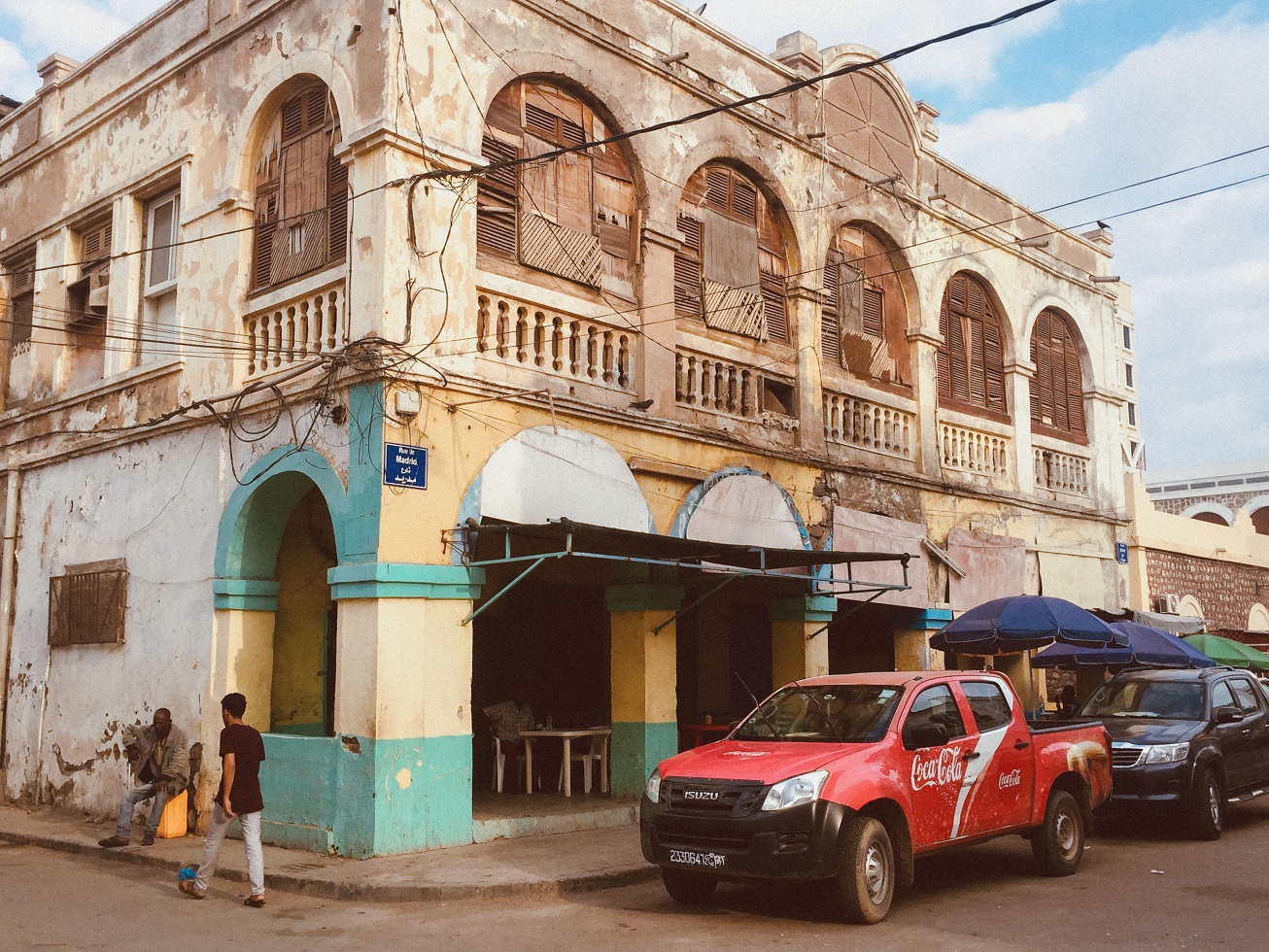
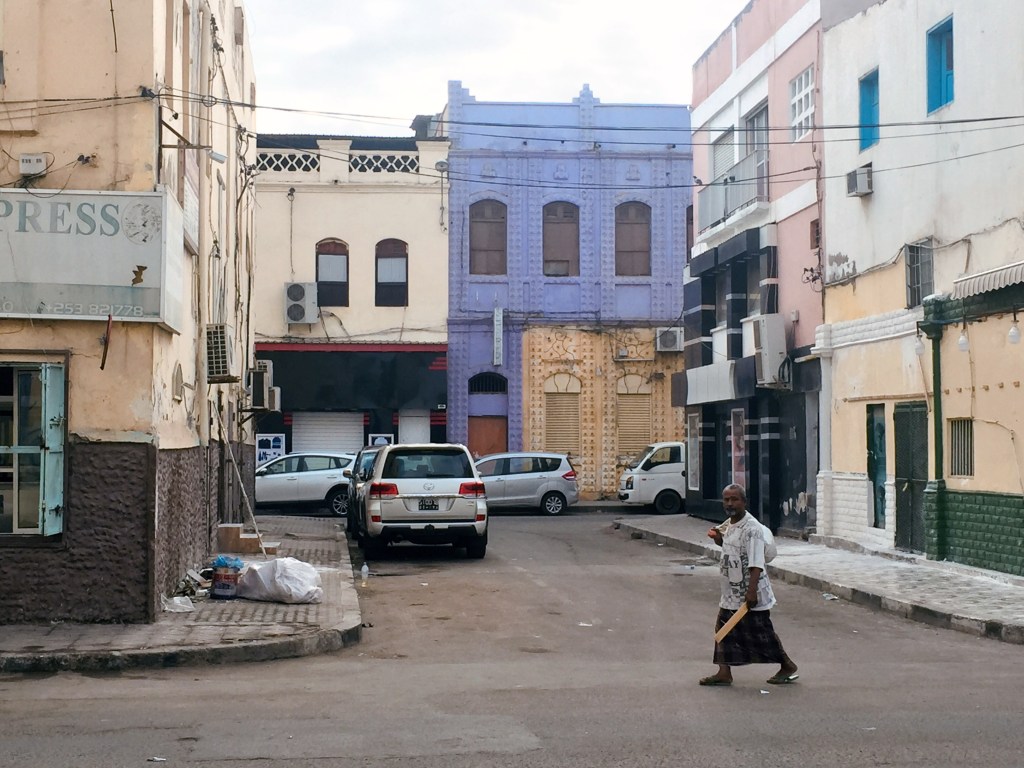
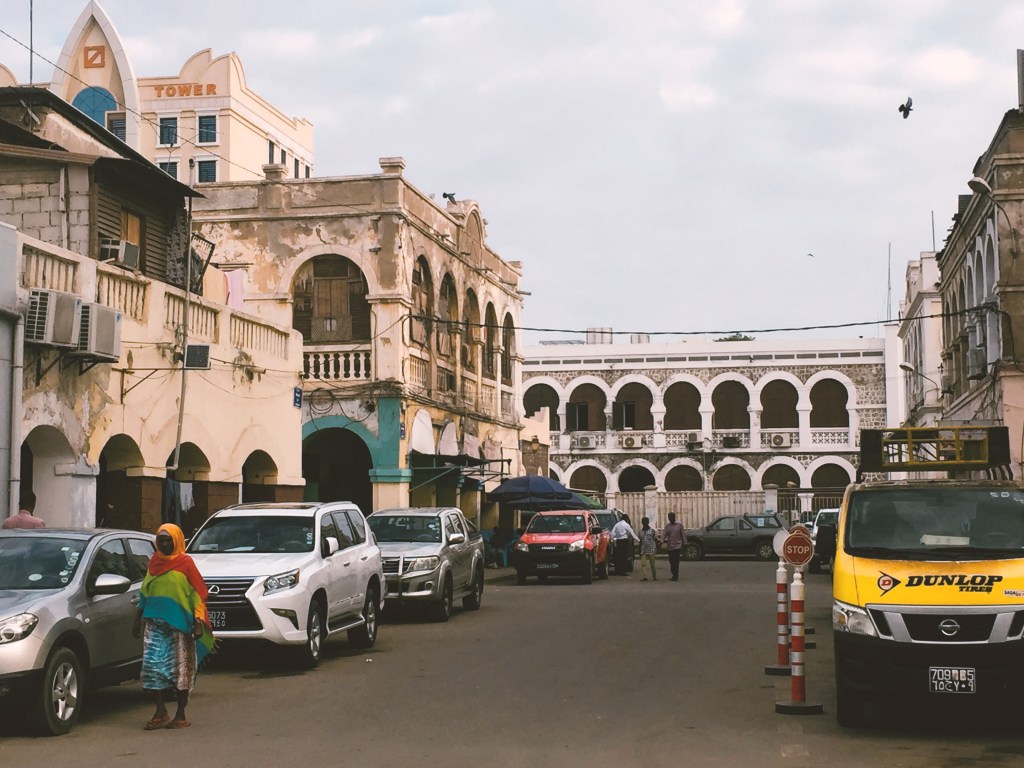
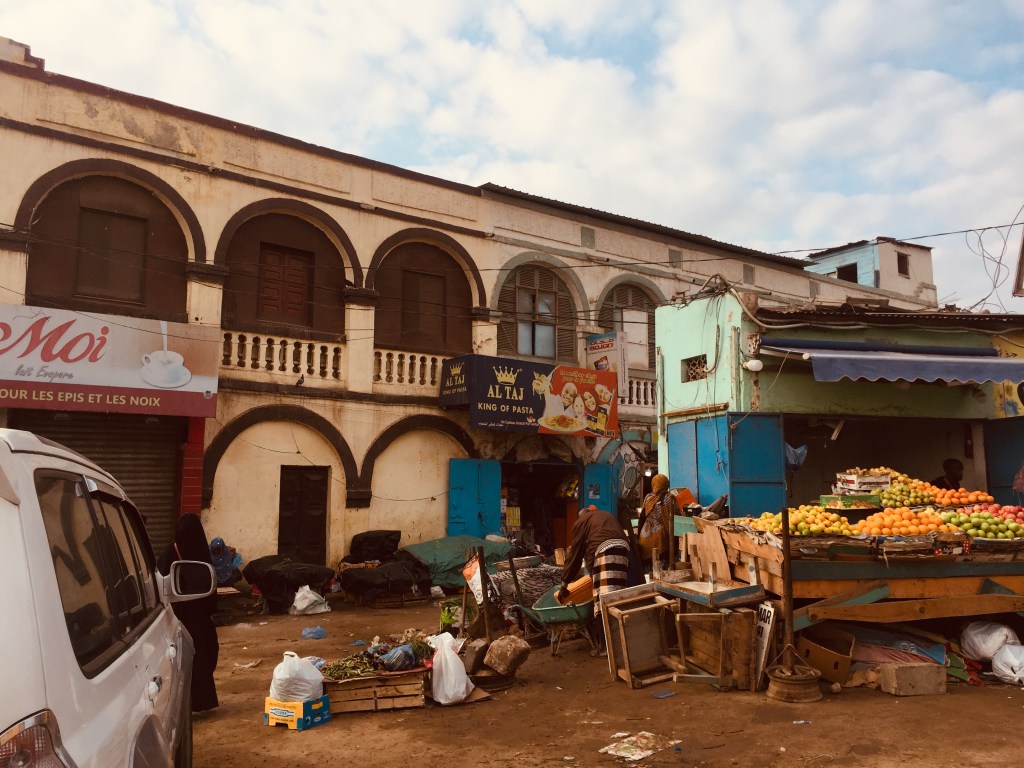
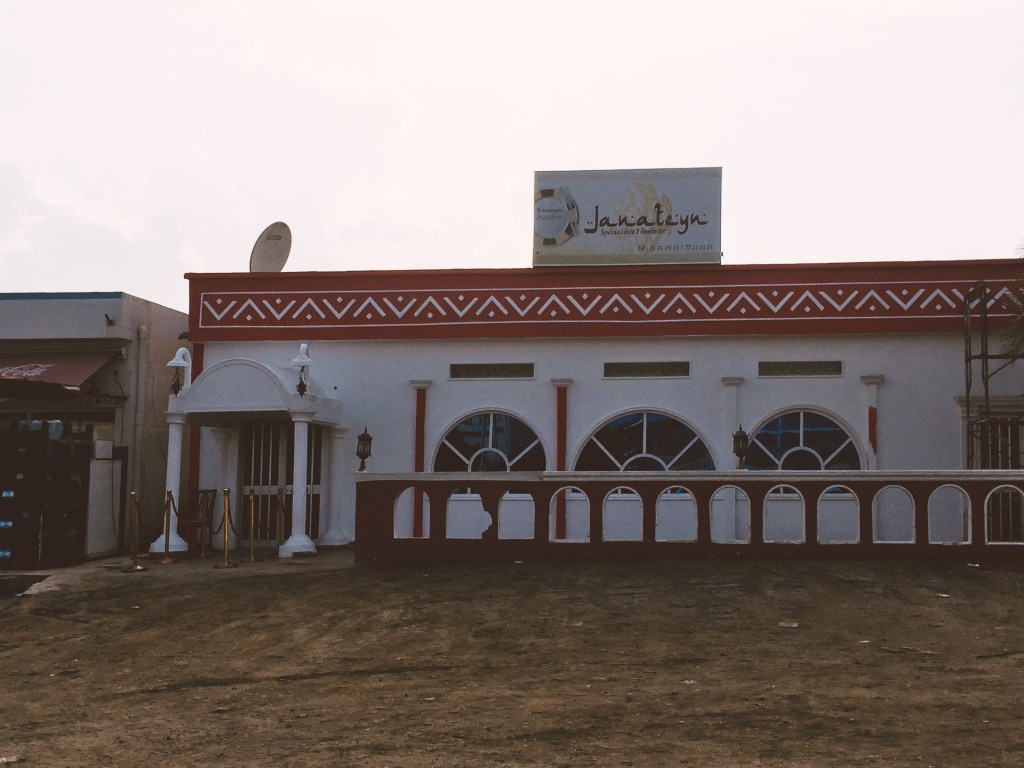
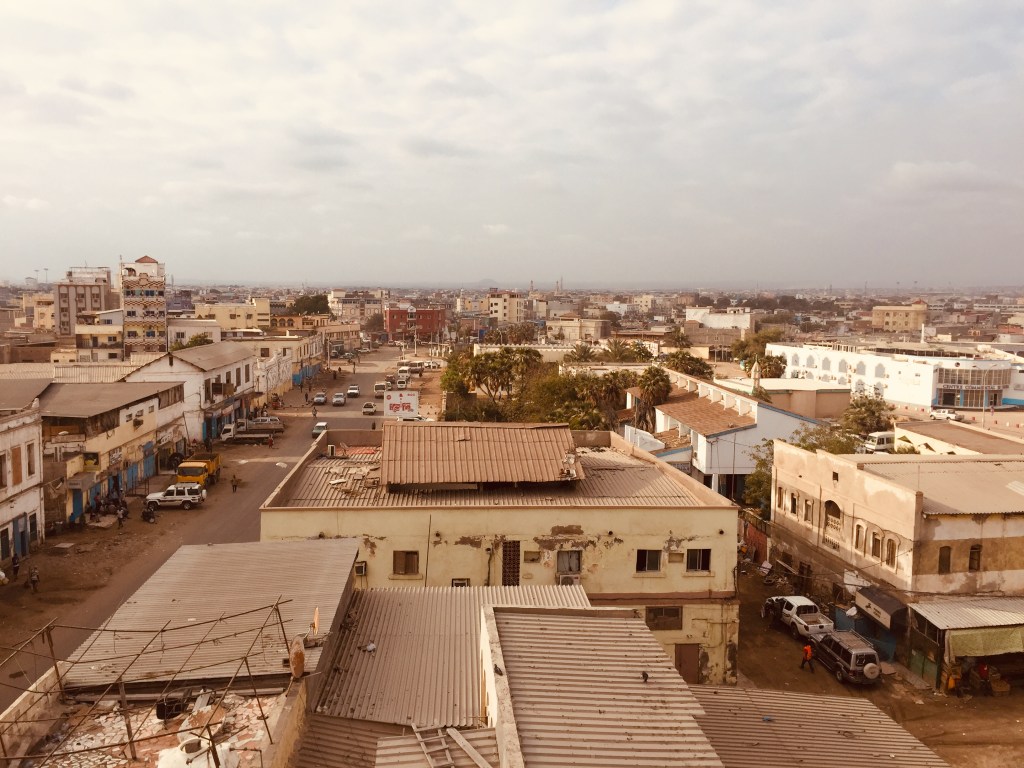
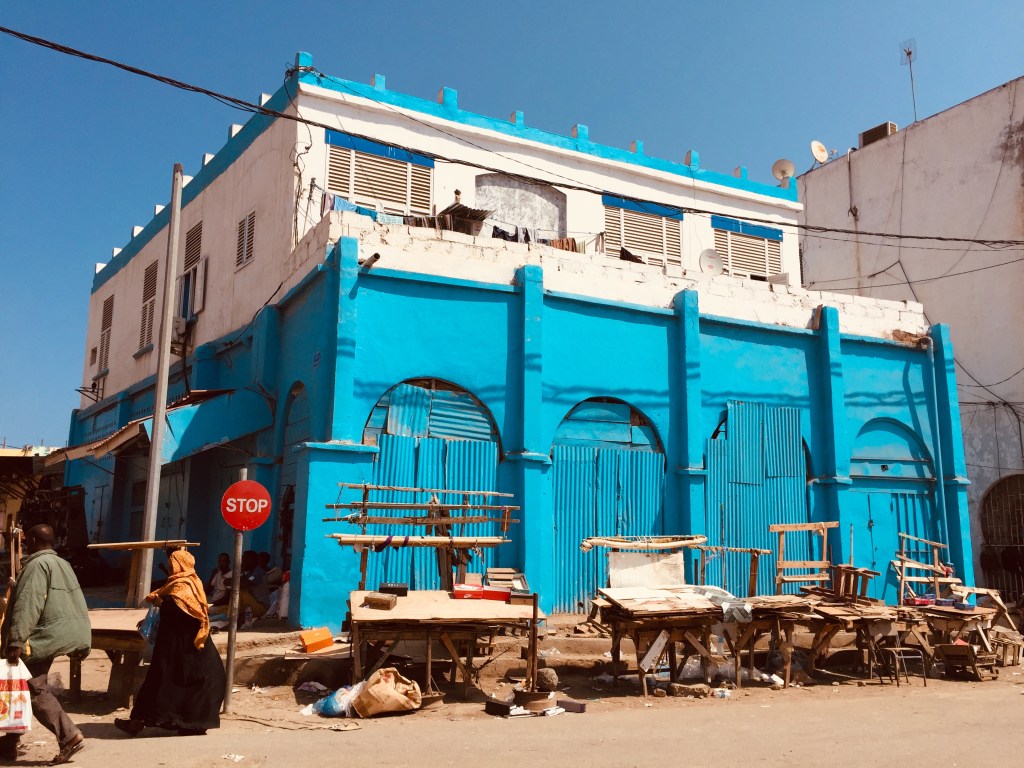
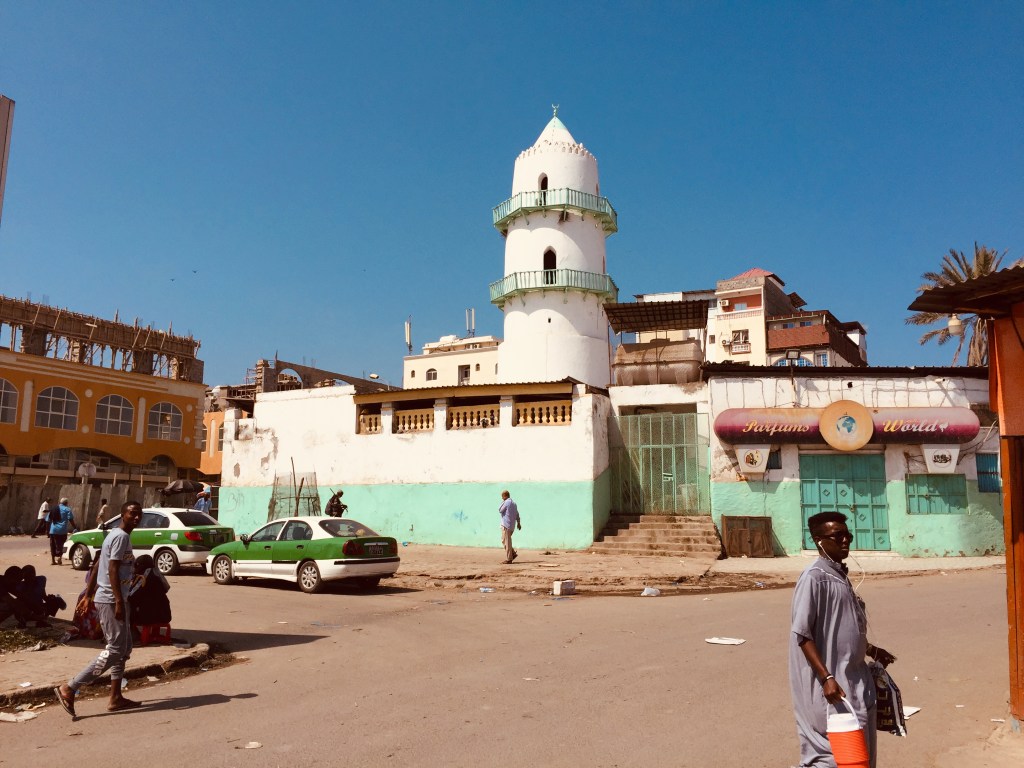
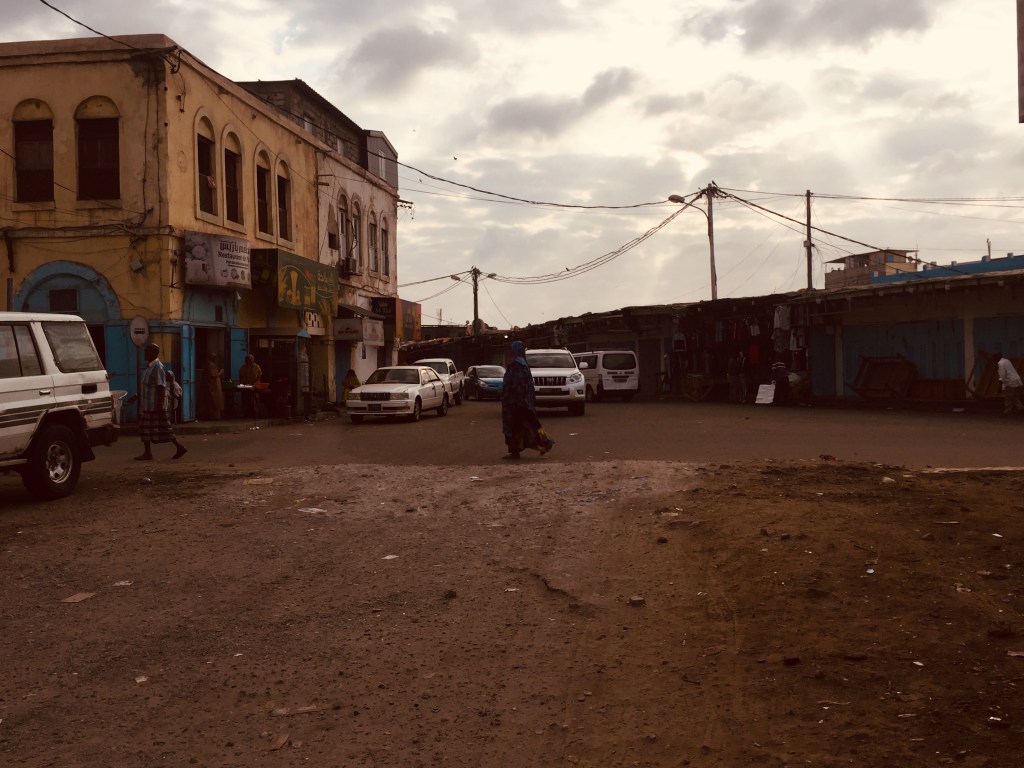
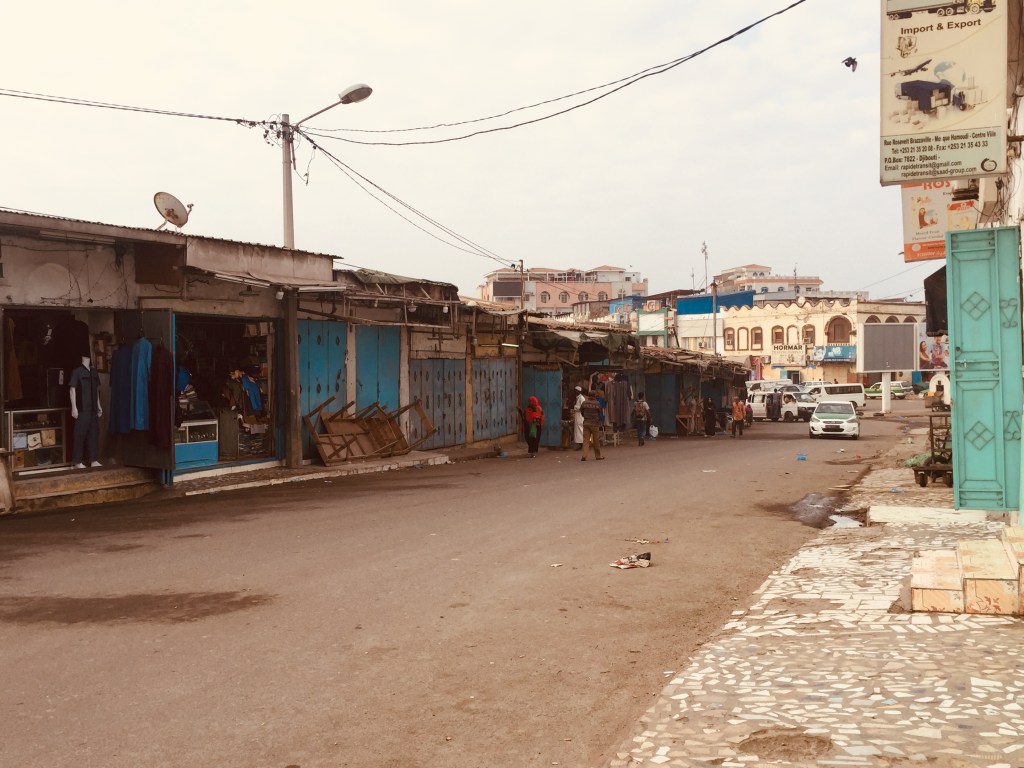
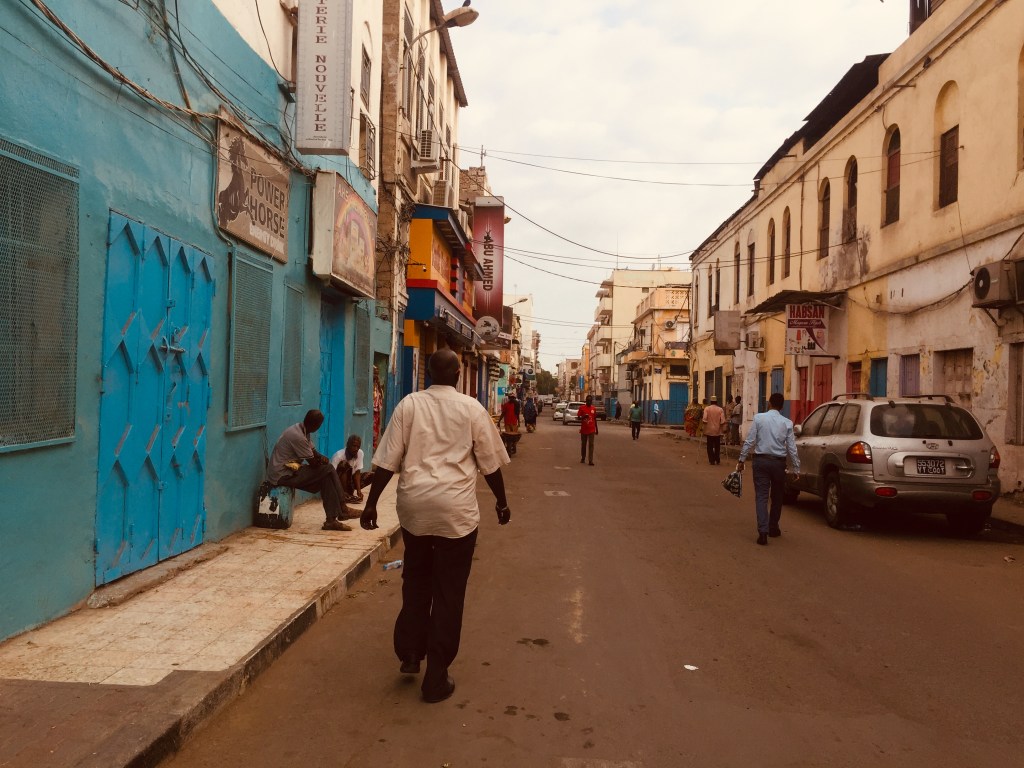
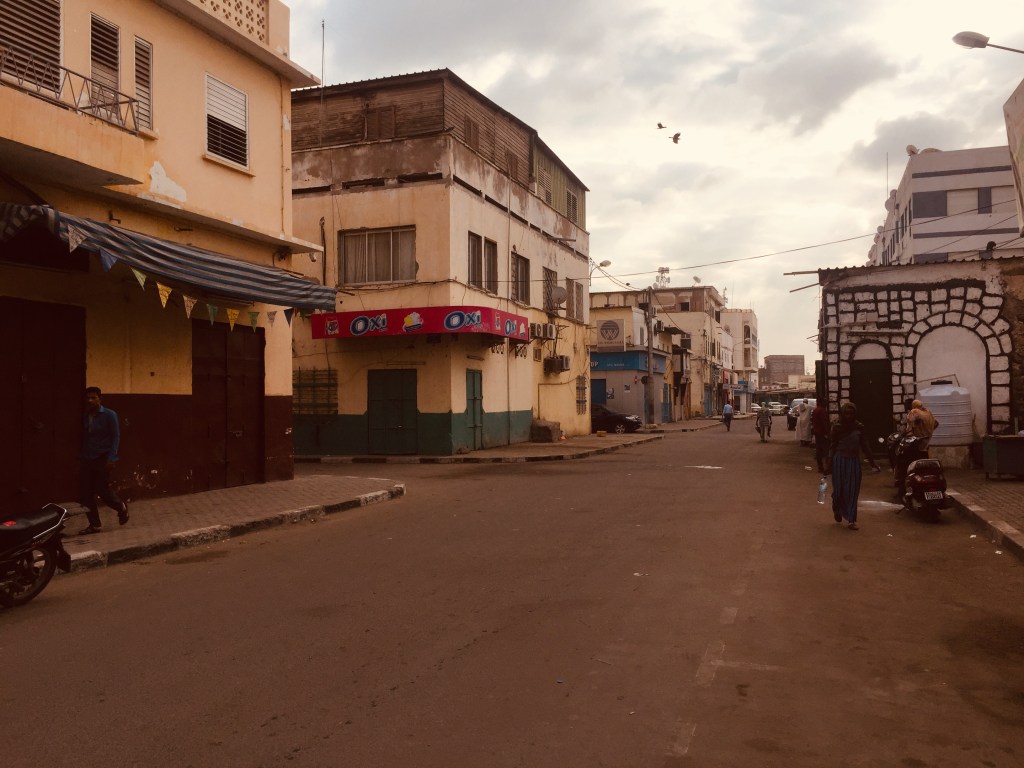
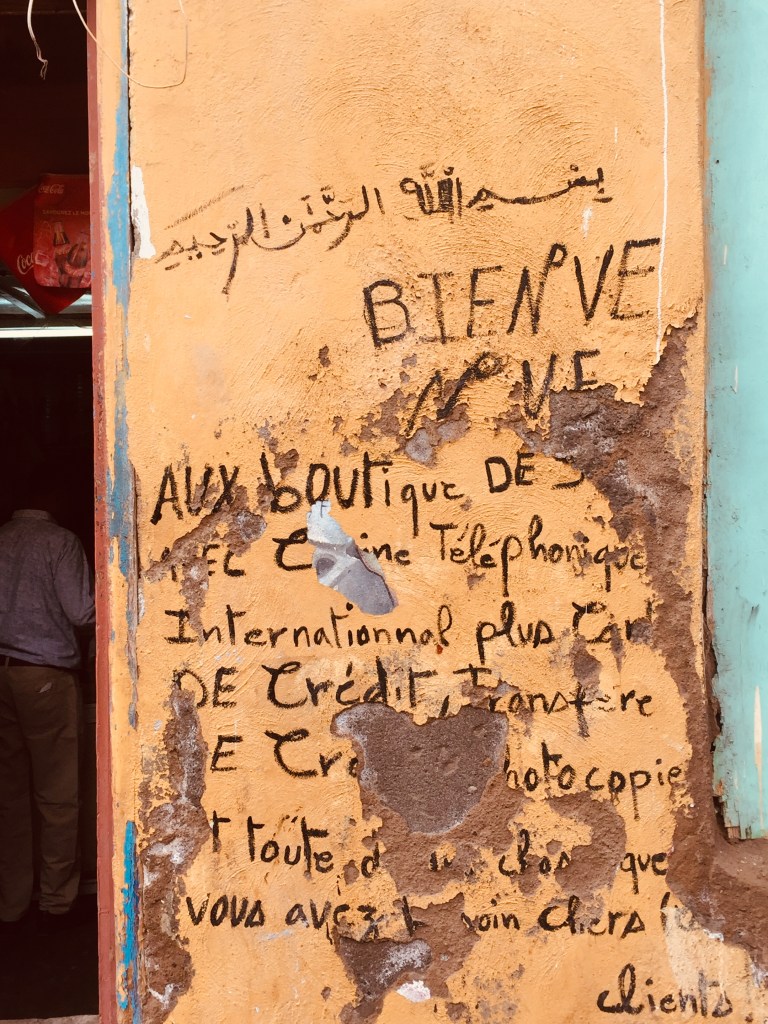
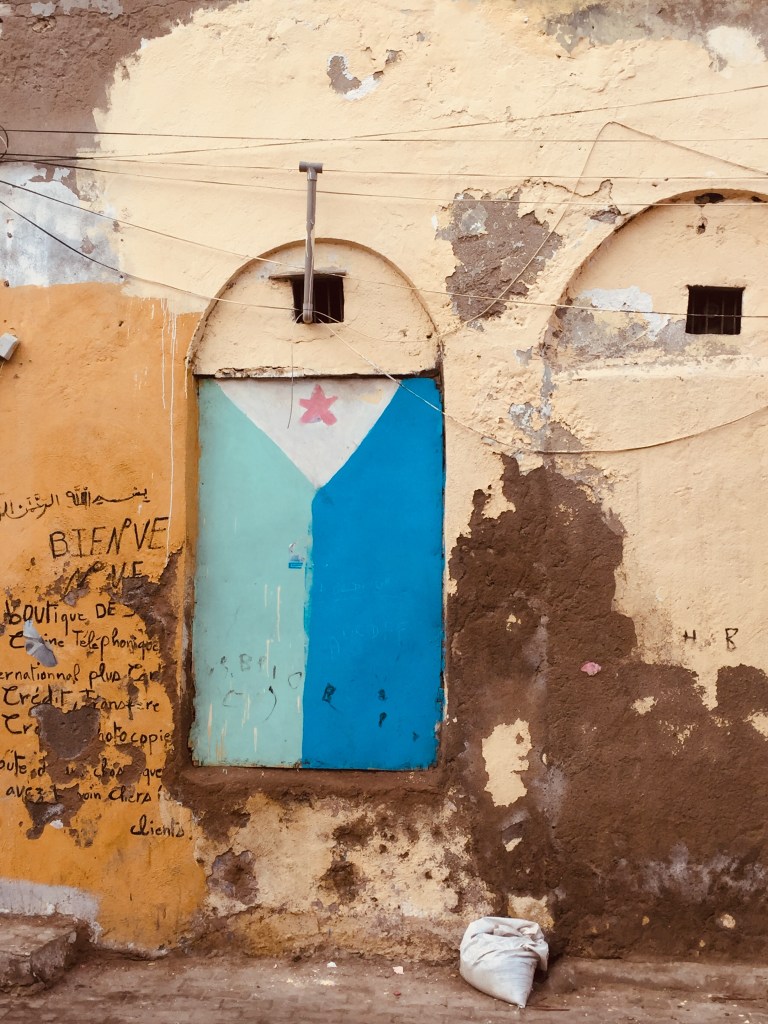
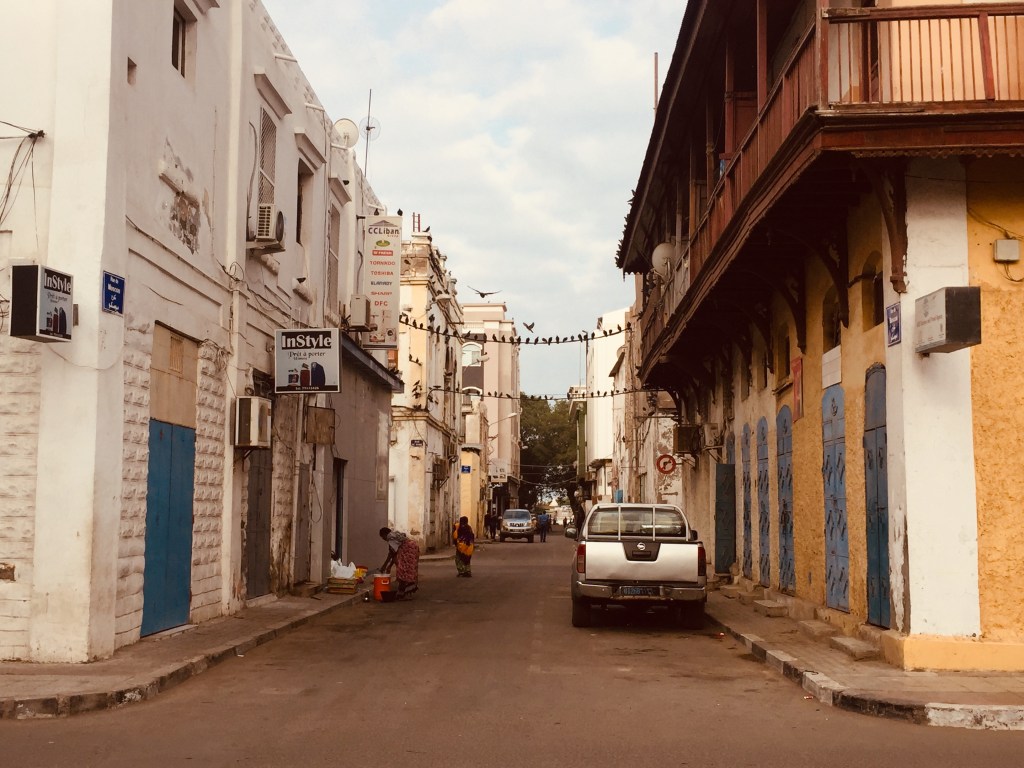
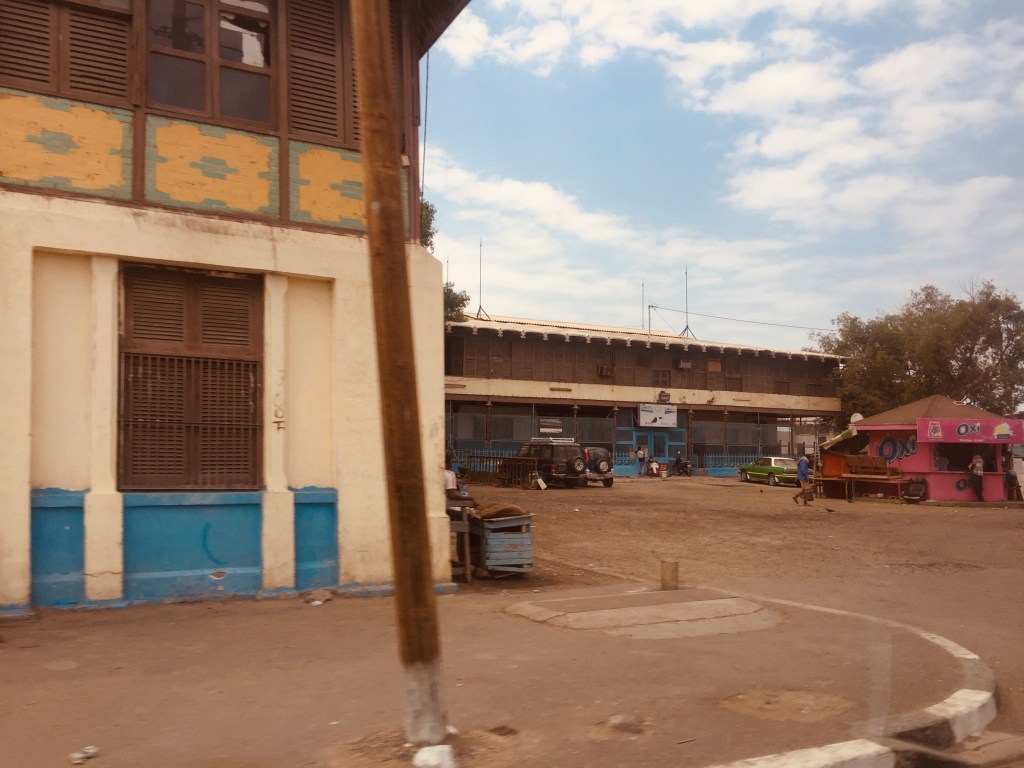
I was lucky to stay in a hotel in the heart of the downtown. This area is considered one of Djibouti’s 10 tentative sites for the UNESCO world heritage map. It is known as Le paysage urbain historique de la ville de Djibouti et ses bâtiments spécifiques. The historic city center of Djibouti was constructed during the French colonisation with madrépore, a relatively friable limestone. The load-bearing walls are very thick and the facades are roughly masonry with lime mortar. Most of the buildings were designed and built in the distinctive colonial architecture style. This style combines simplified European architectural elements. It includes the Moorish revival style introduced to the city through the Arab and Indian trade.
Electricity in Djibouti is very expensive. As a result, people tend to rely more on natural ventilation methods. They prefer traditional vernacular architecture instead of using air-conditioners.
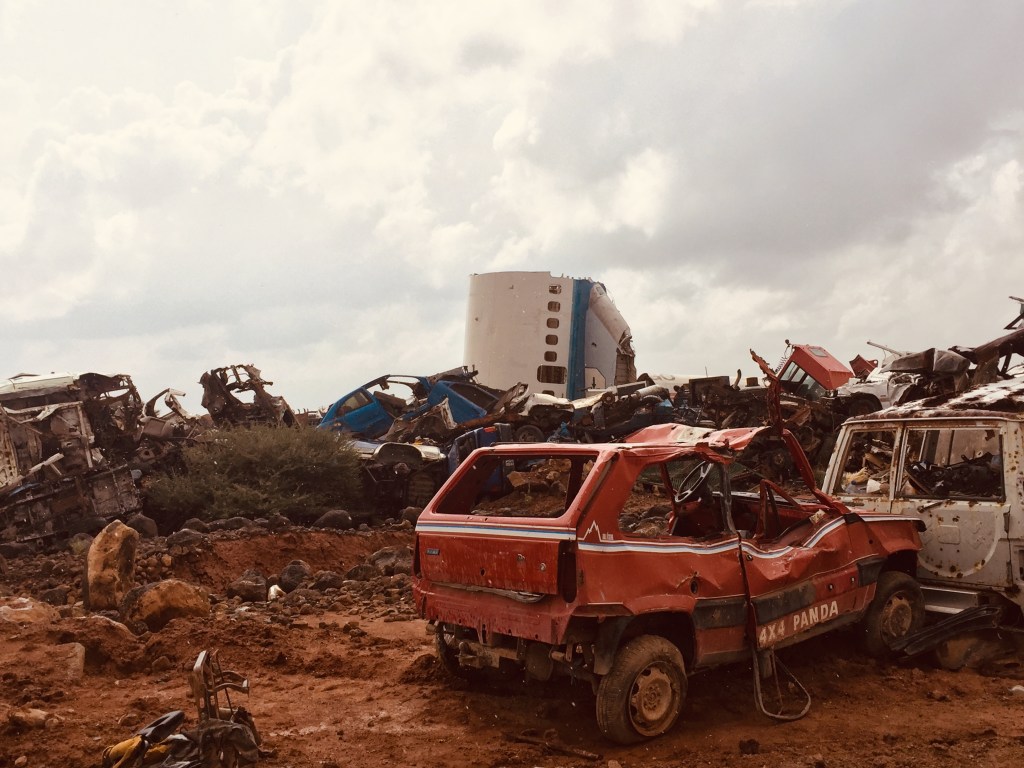
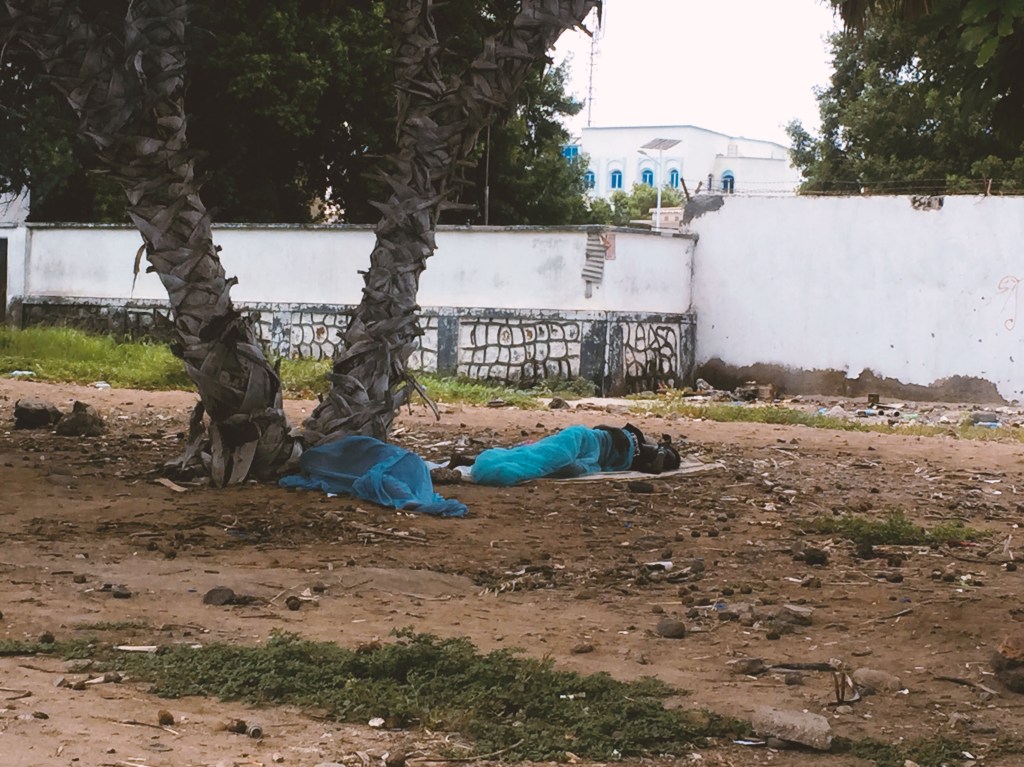
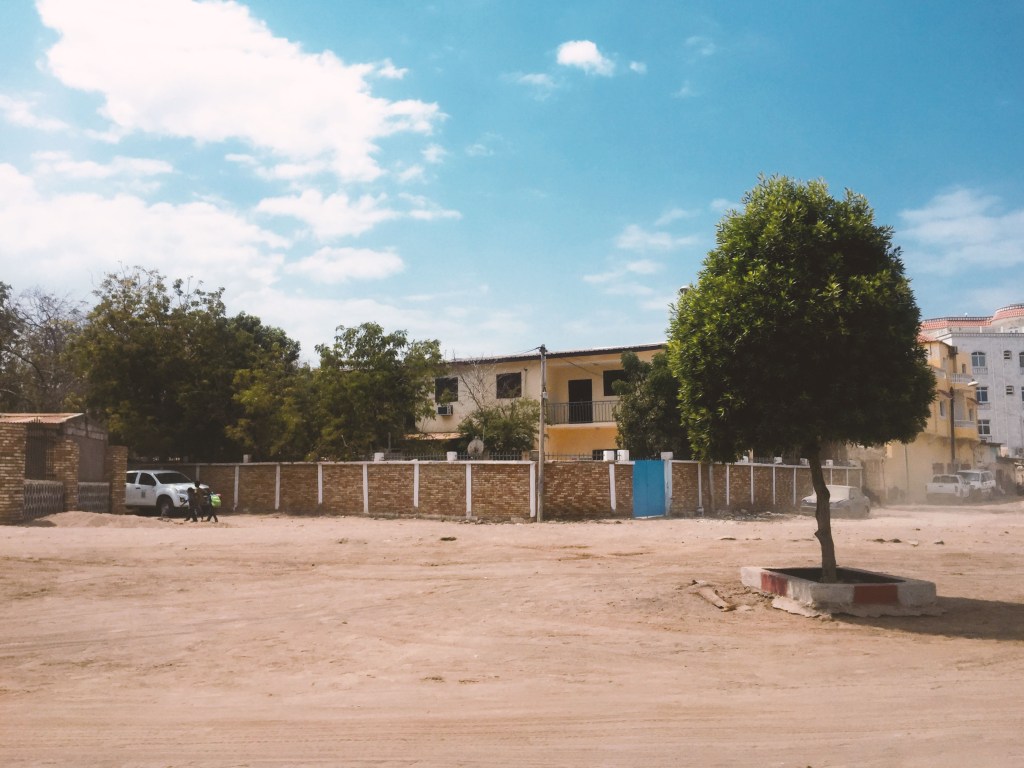
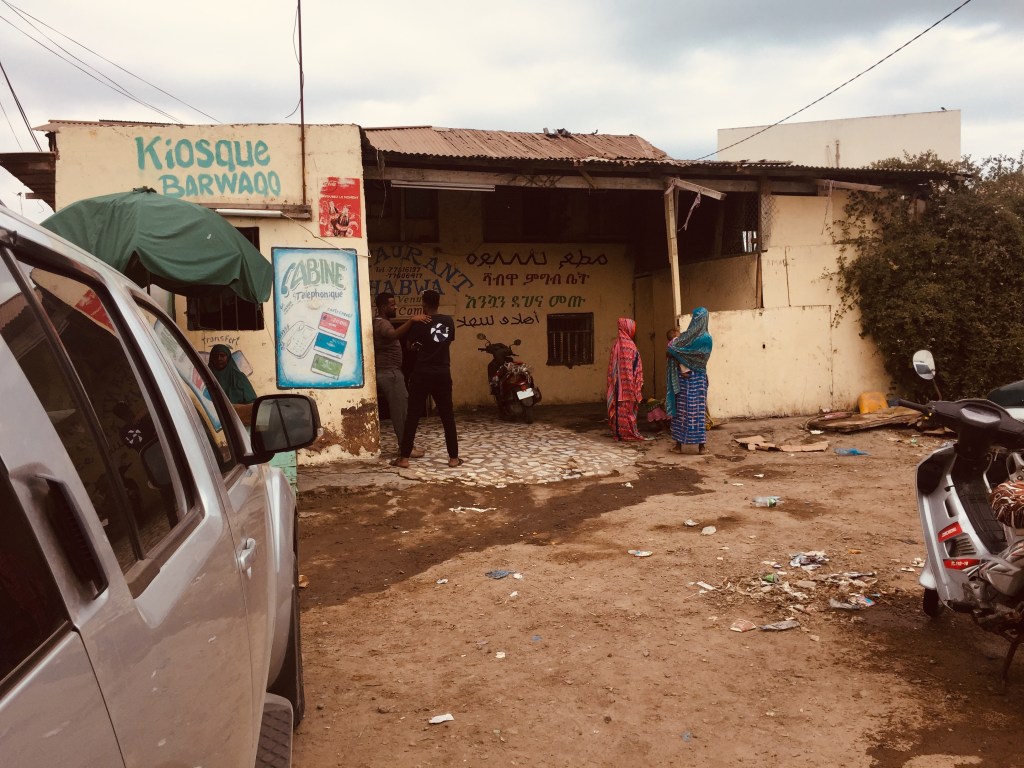
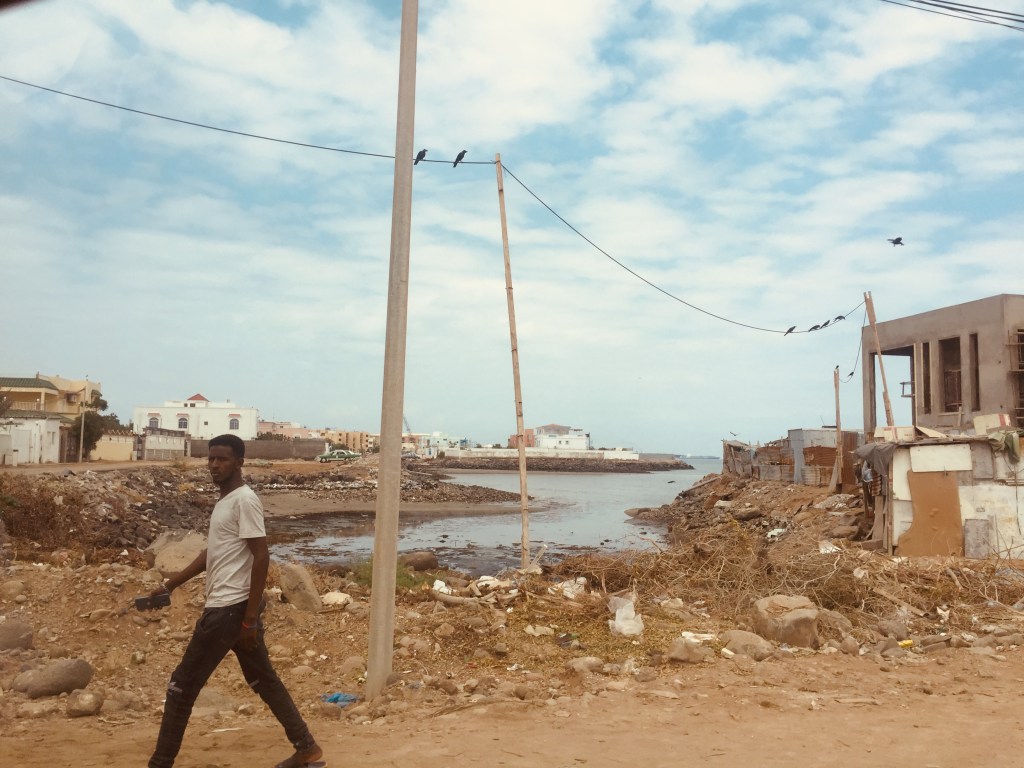
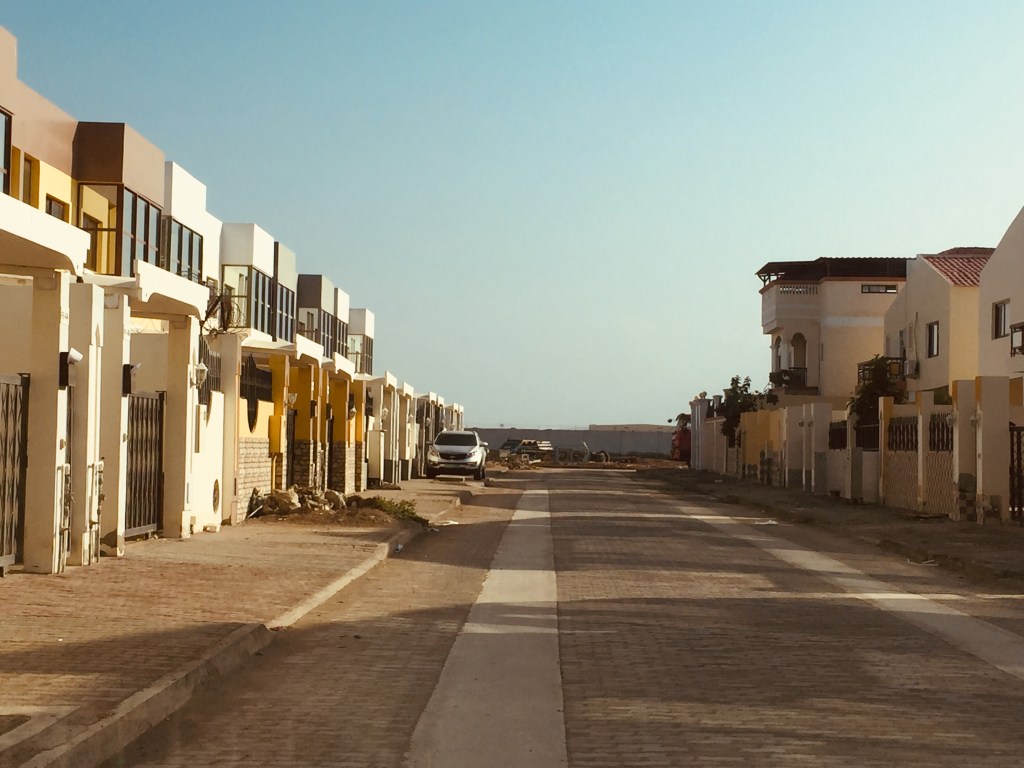
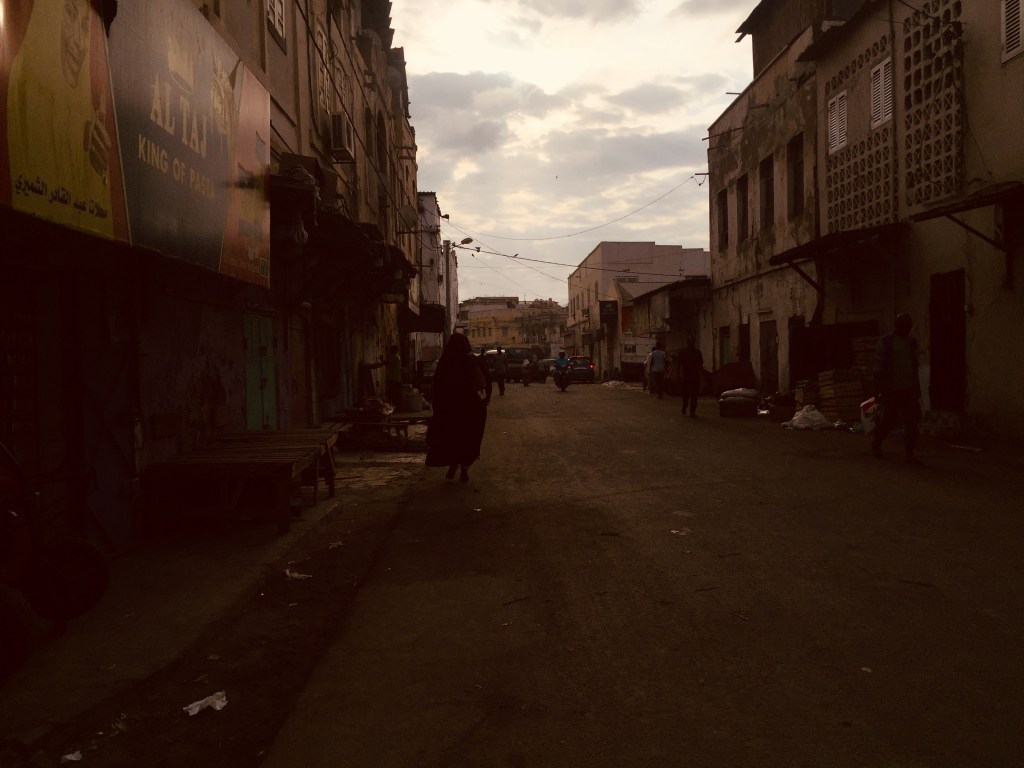
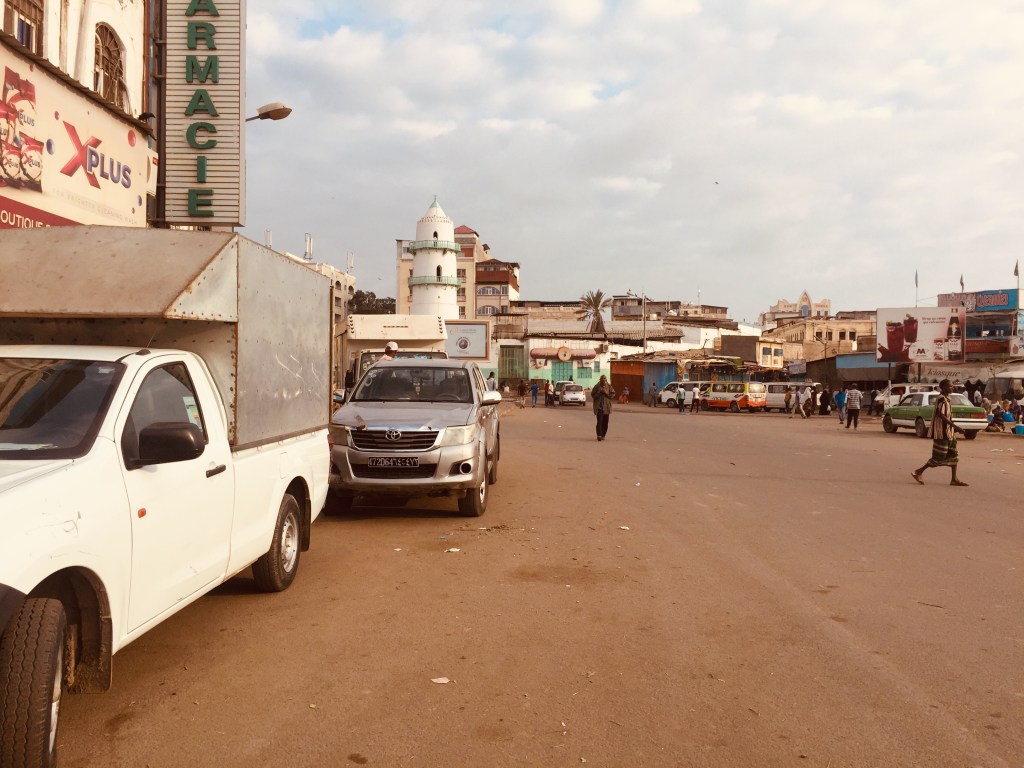
Few days were not enough or fair to judge the city but it looked more like a big village. The lack of clear urban planning, infrastructure, building regulations and code, to architect’s eye were absent. I have seen a lot of slums inside and outside the city, especially the slums of Balbala. Even the new compounds where the foreign expats live were messy. The finishing materials and conditions were done badly. They lacked professionals and workshops.
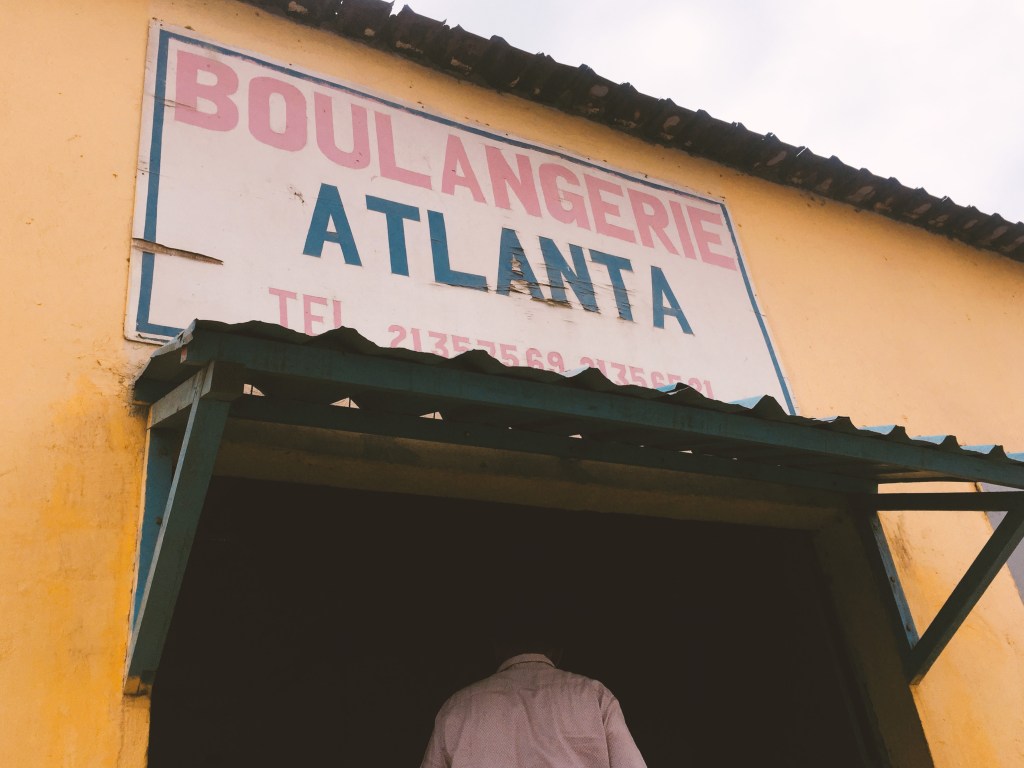
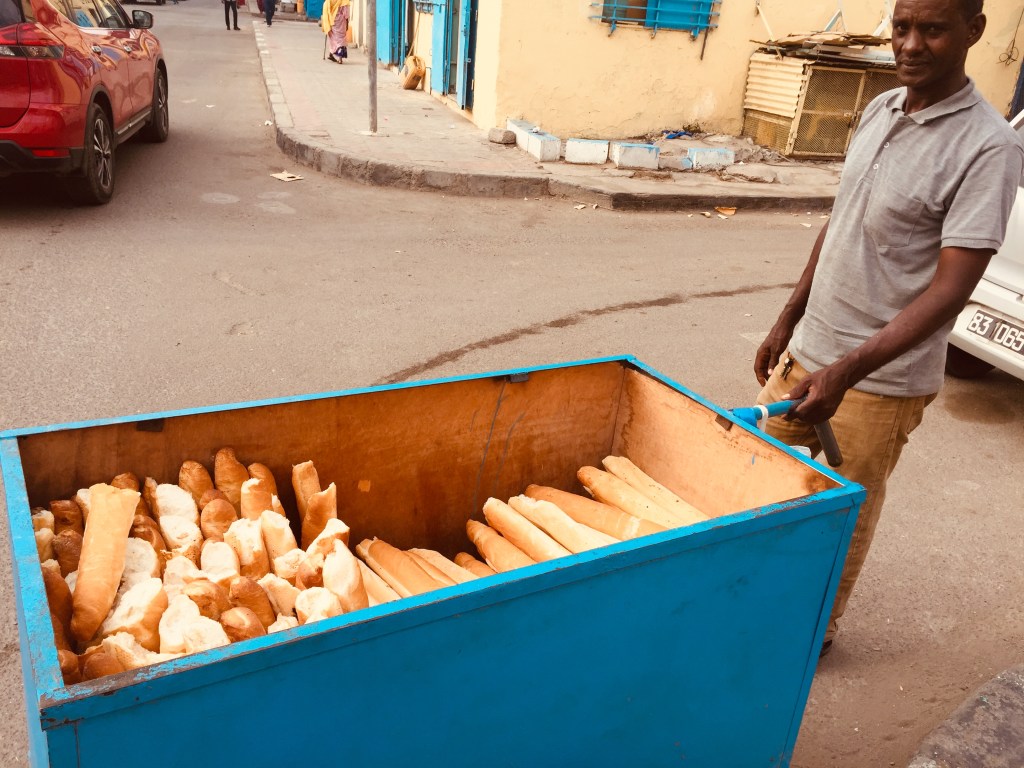
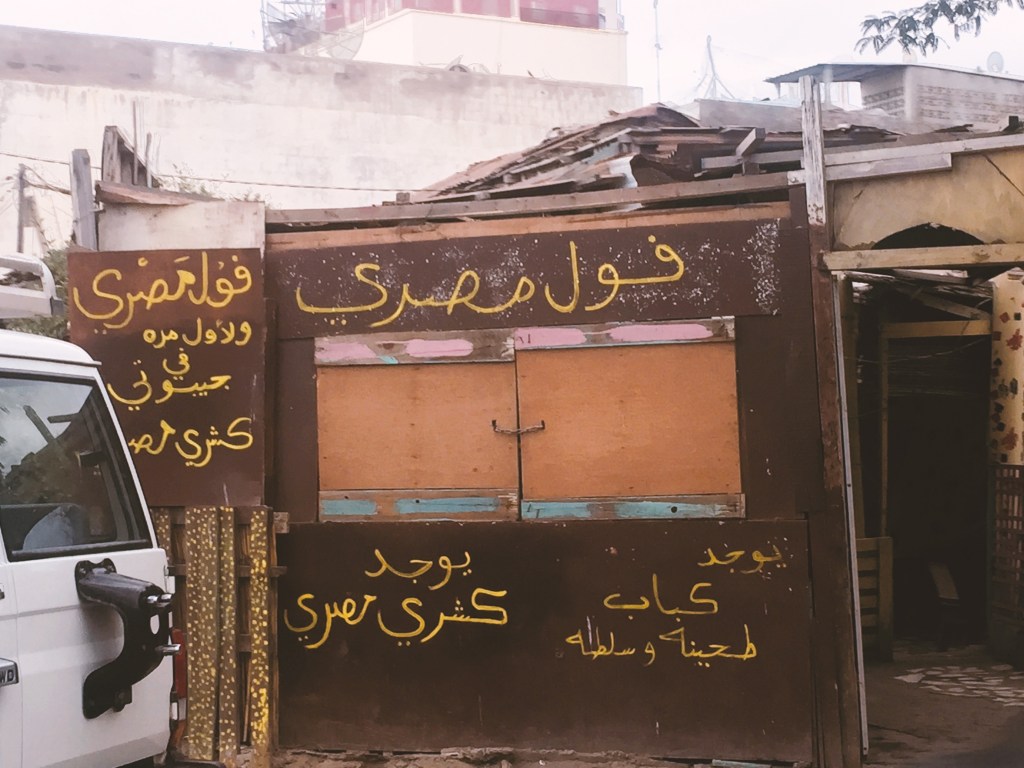
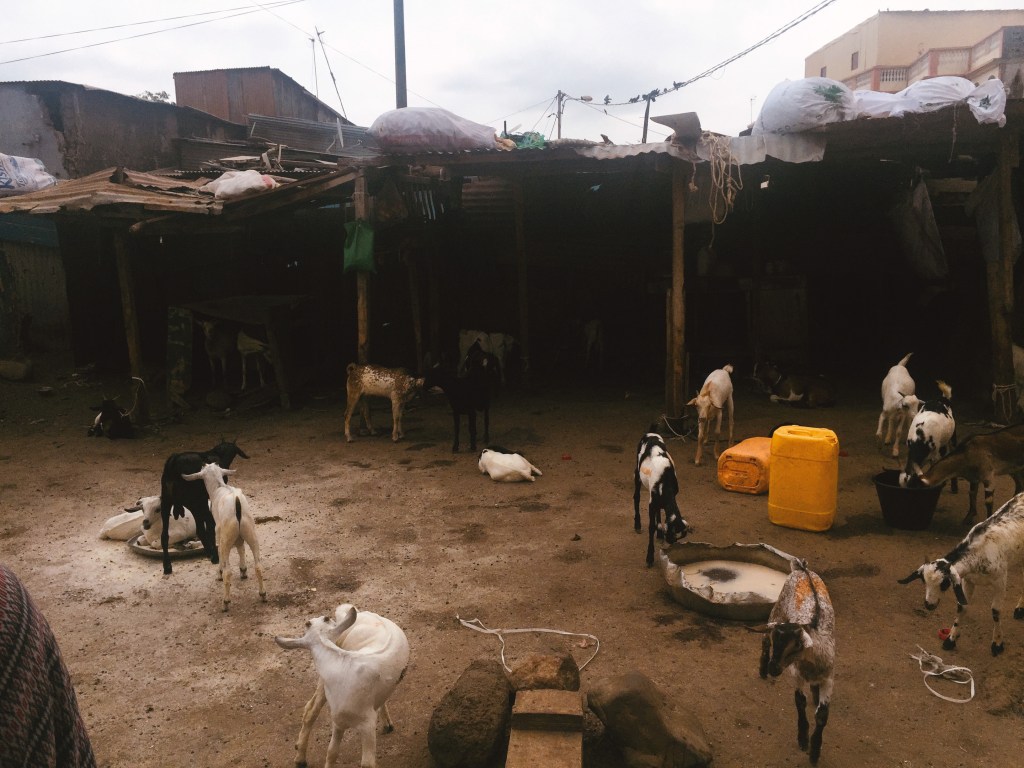
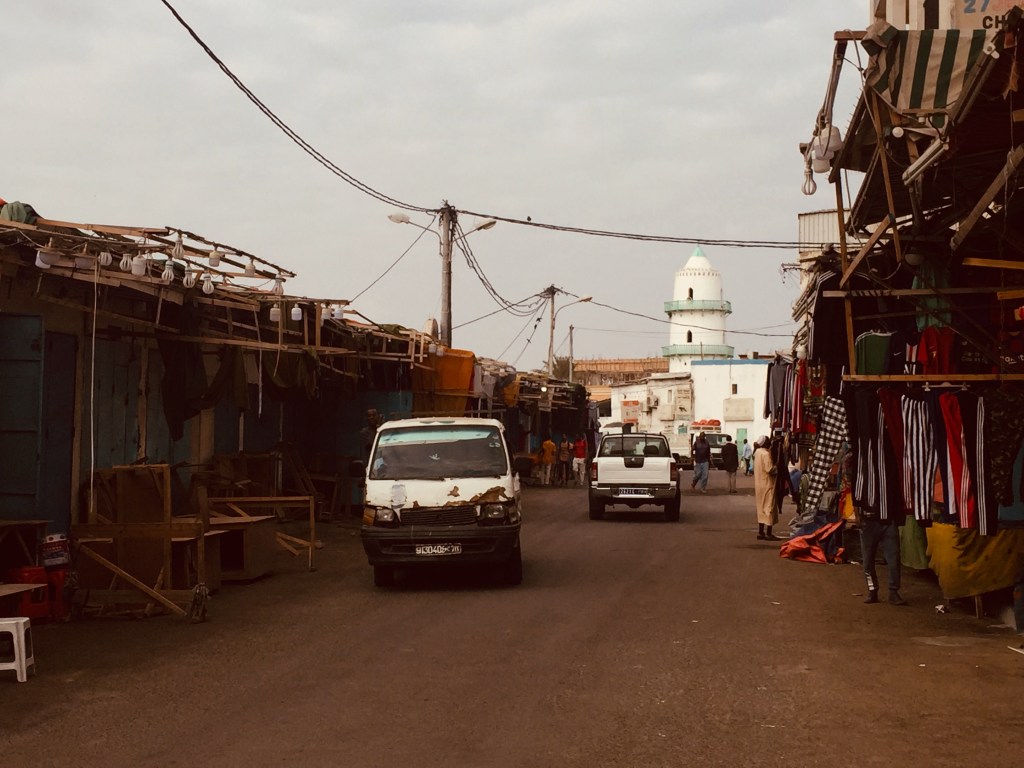
The capital Djibouti Photo Gallery by the author
- Aerial view of downtown Djibouti

- Private compounds and slums

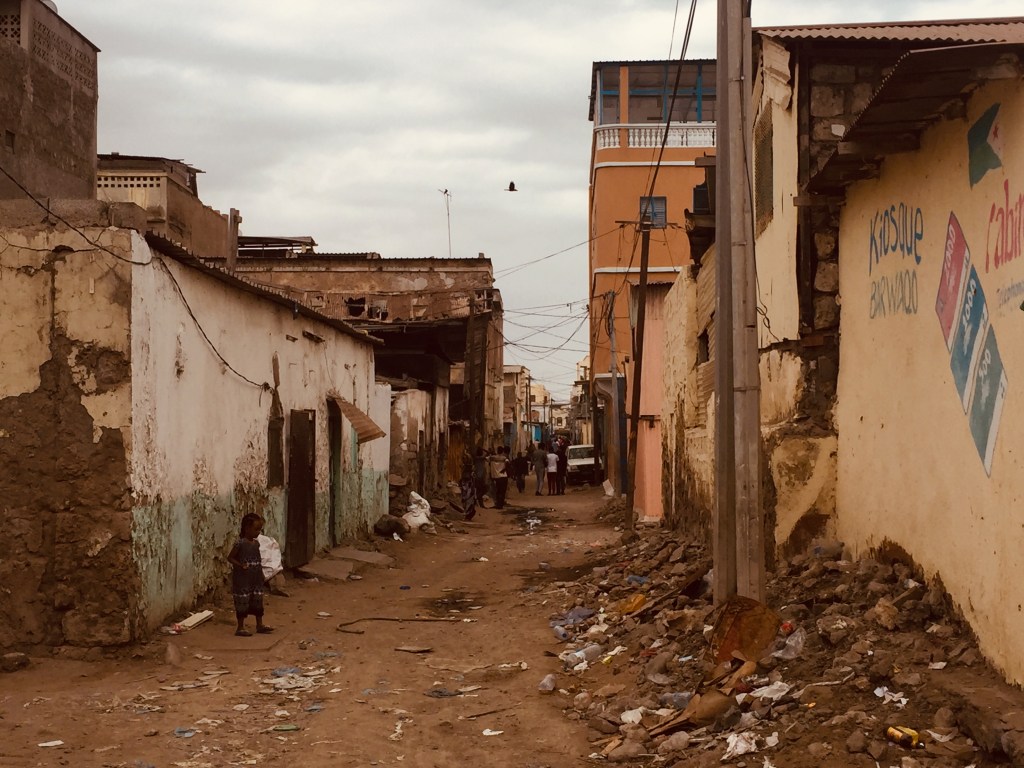

- The remarkable streets names
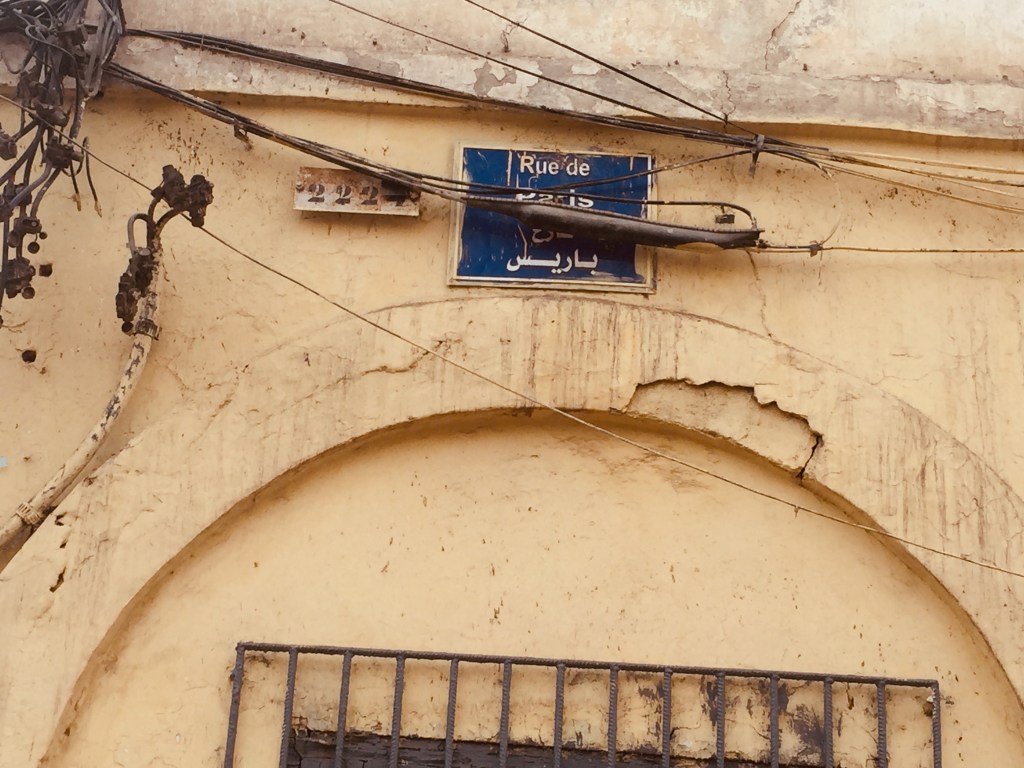
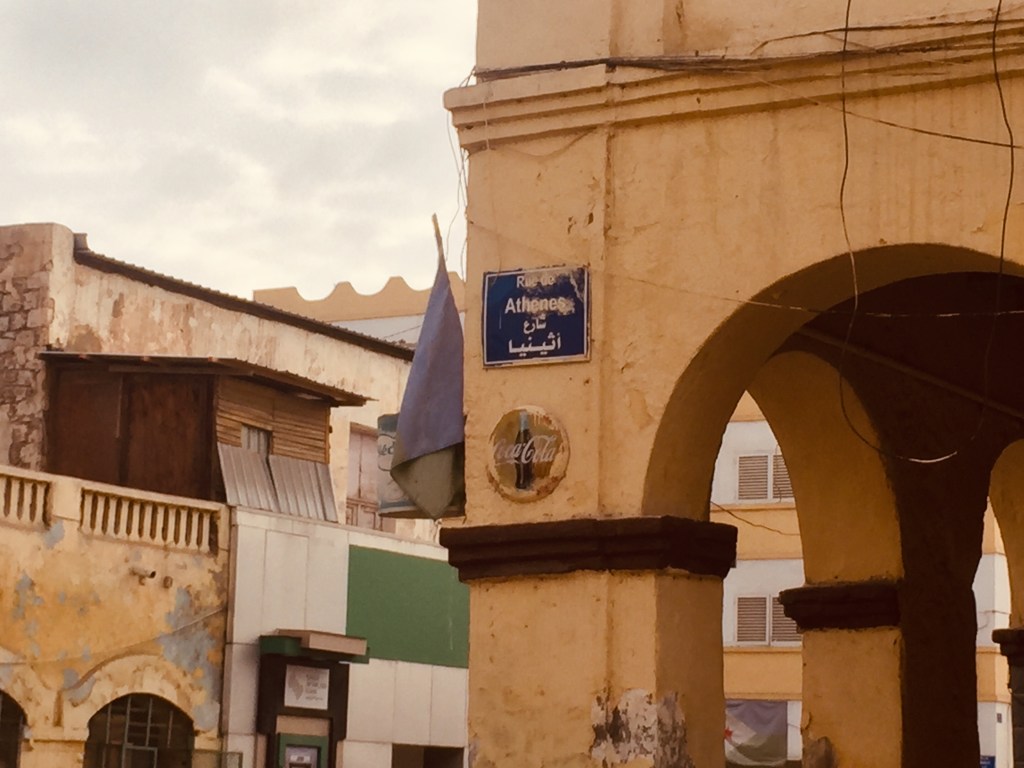
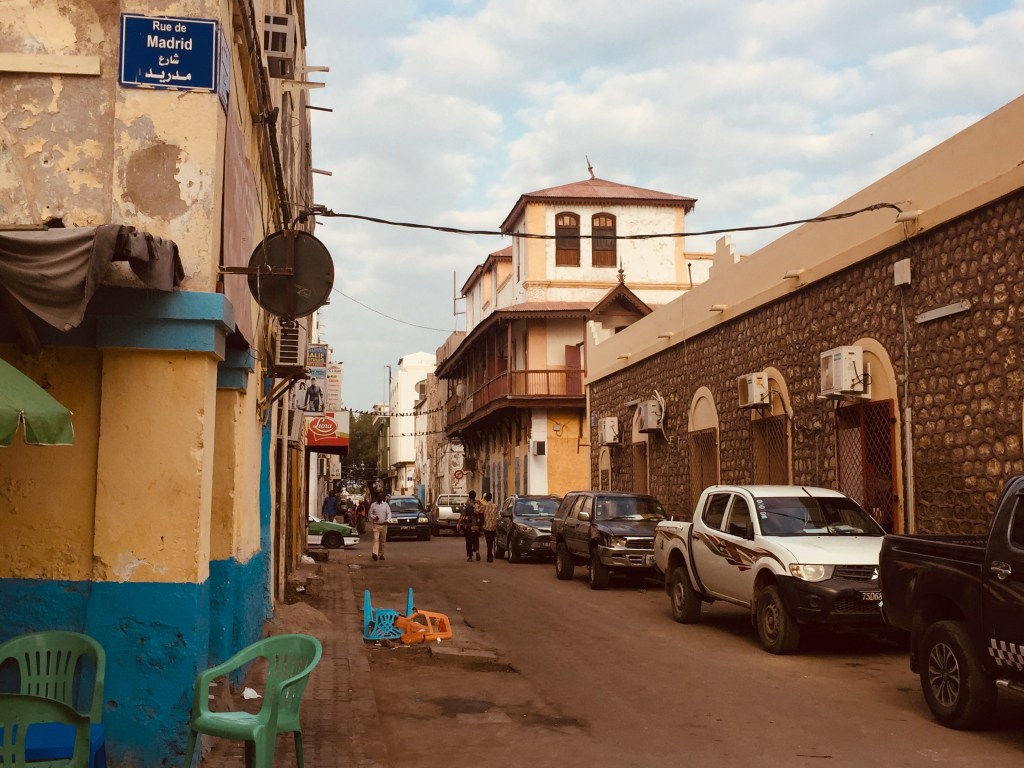
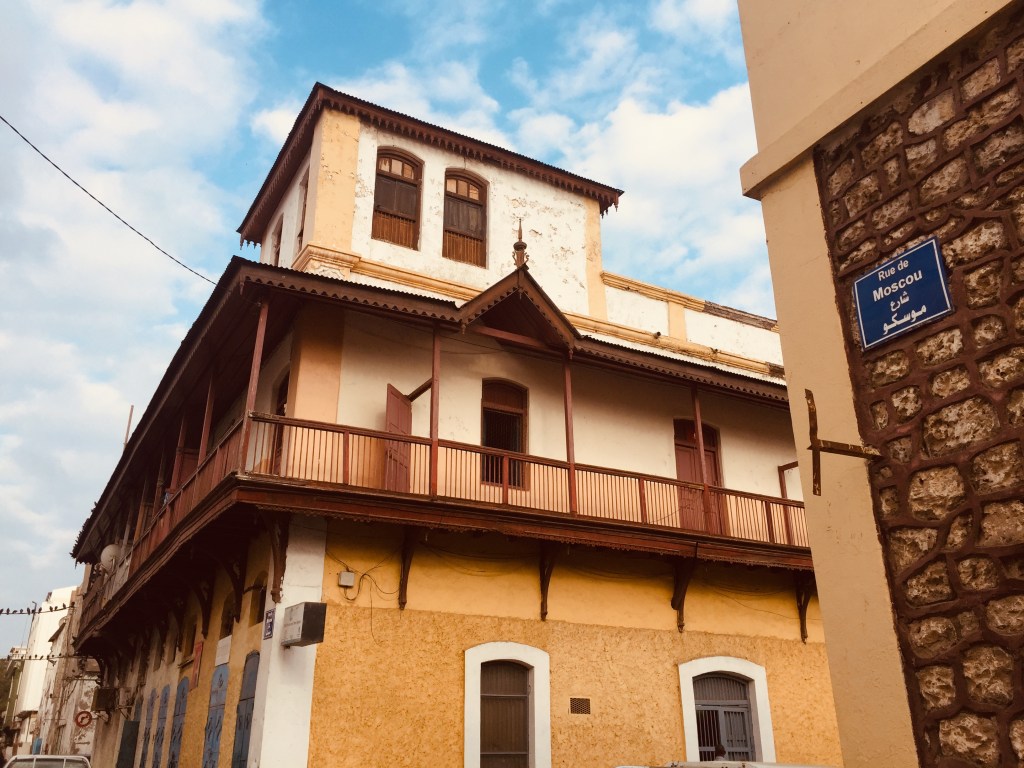
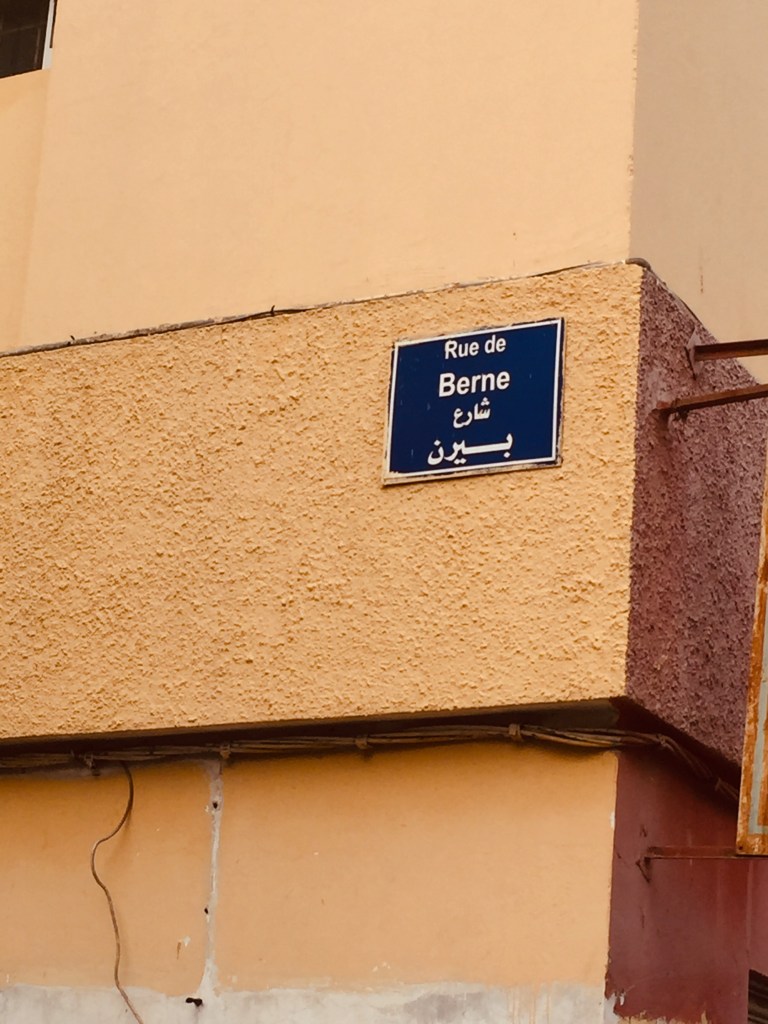

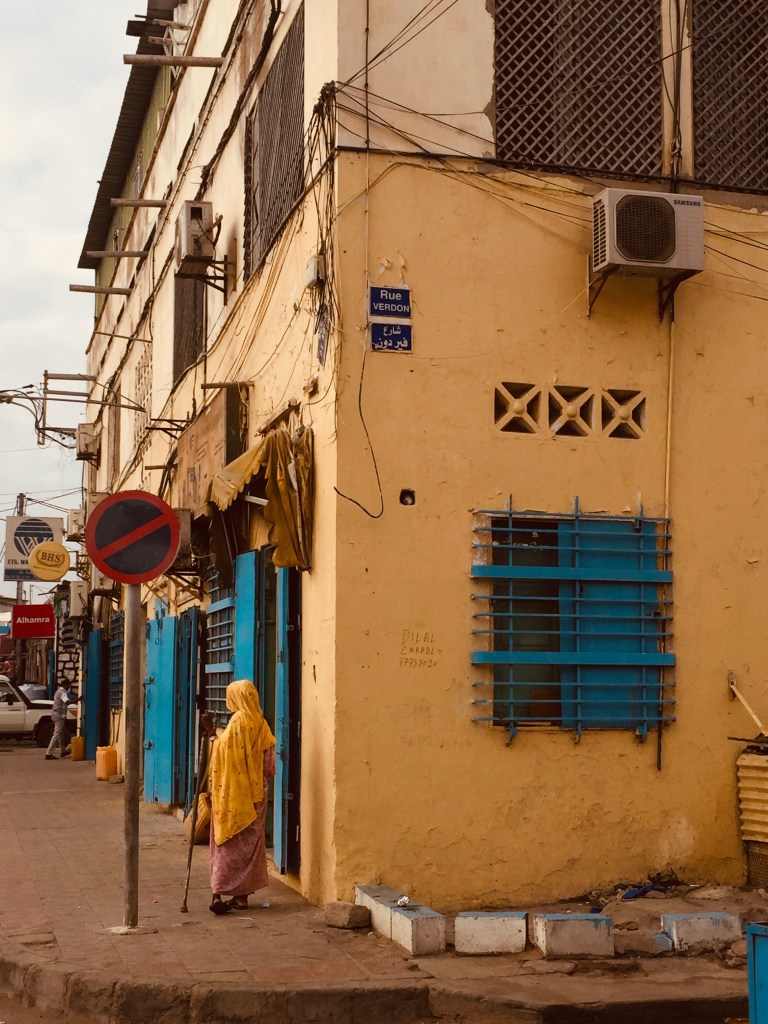
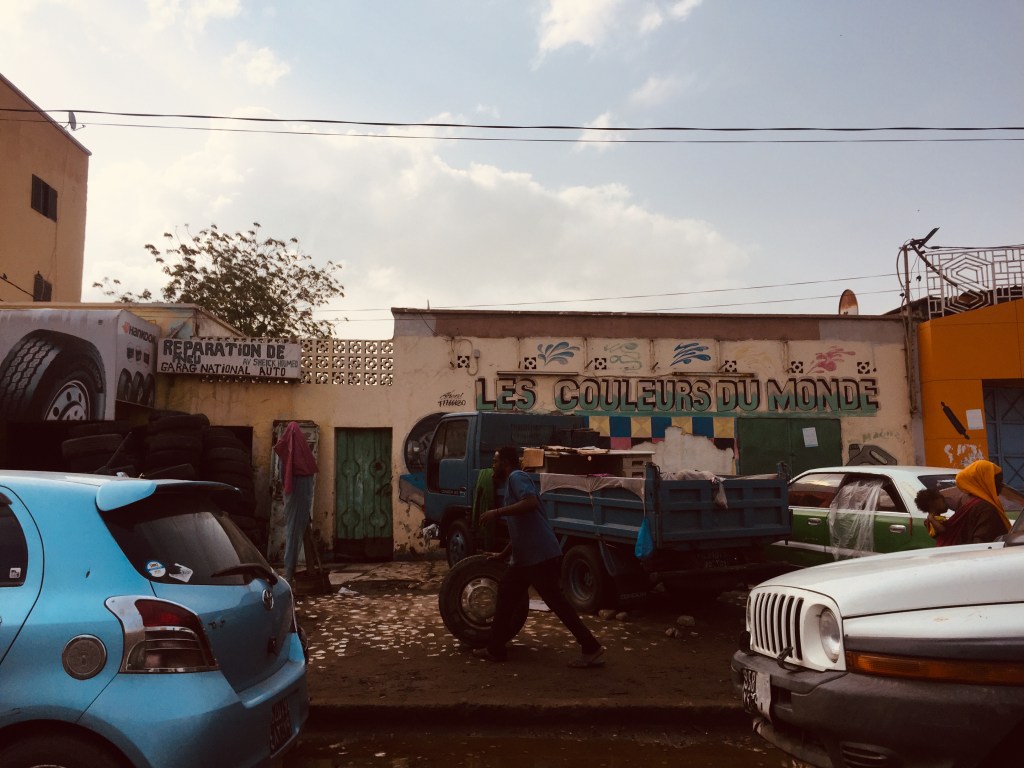
- Architecture and urban details
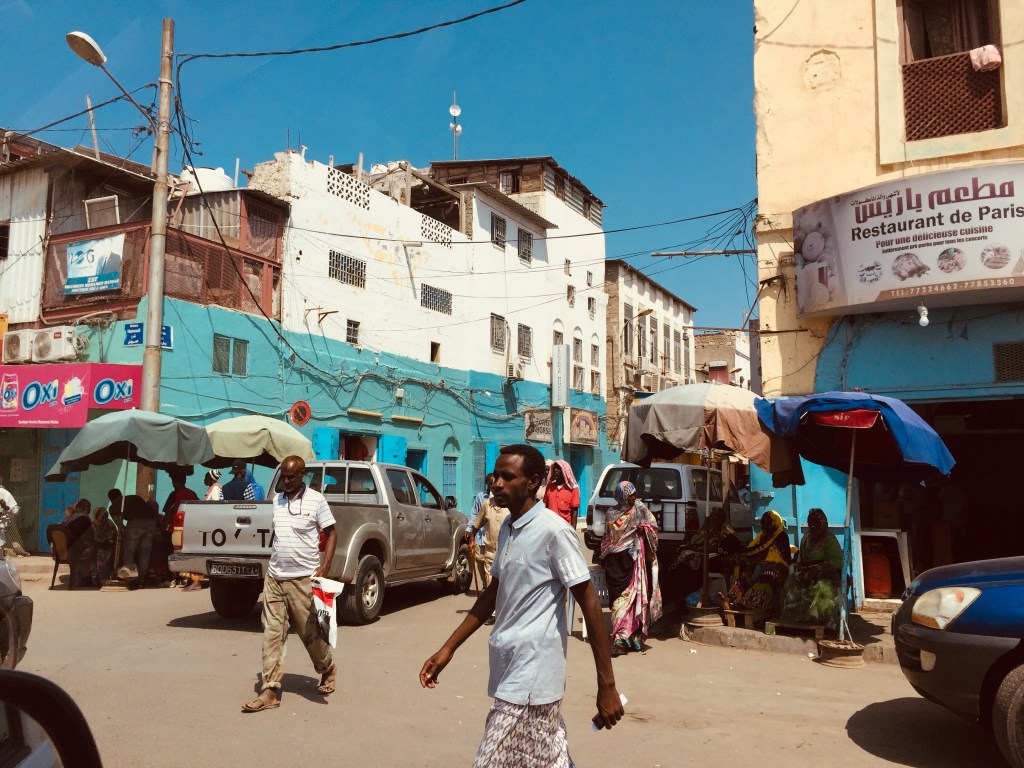

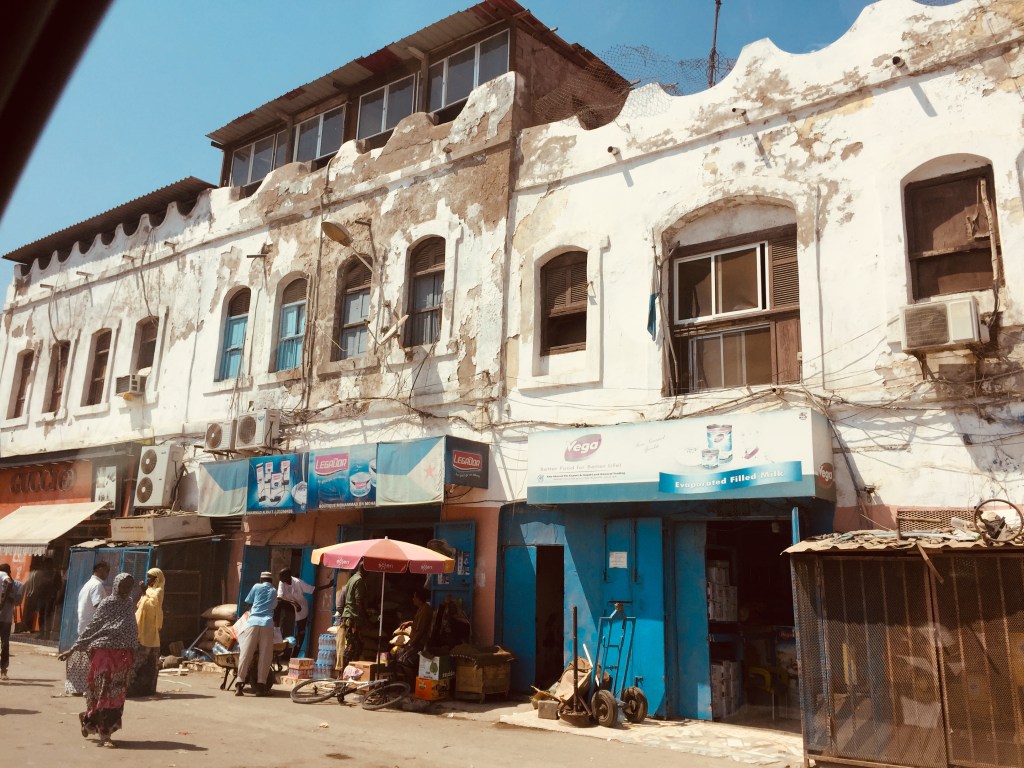


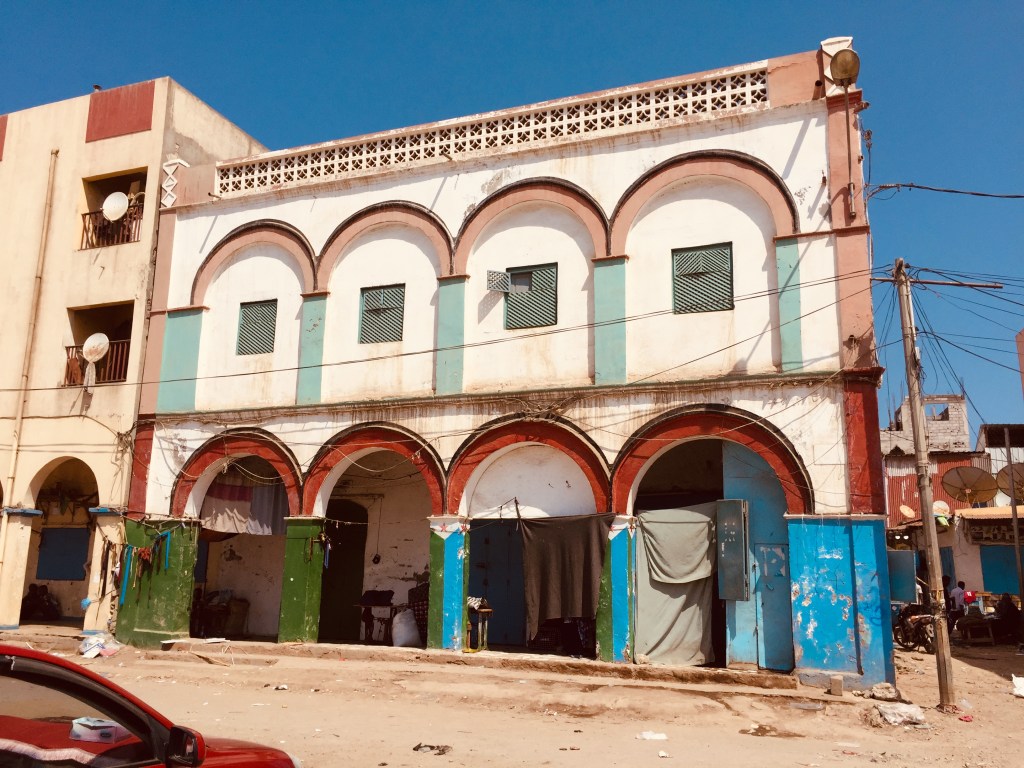




Disclaimer:
- Ideas, texts and photos presented in this article are only reflections of my observations. They are acquired in a short period of time. They don’t represent at all any voice of locals nor institutions.
- Any mentioned facts and quotes are attributed to their authors mention in the text.
 Mohamed Gohar